




Vision
Educating tomorrow’s leaders to build a sustainable Bangladesh and a better world, in line with the UN 2030 Agenda.
Mission
- Integrate the SDGs: Embed the Sustainable Development Goals (SDGs) in teaching, research, campus operations, and student life.
- Widen access: Expand access to quality higher education through scholarships, tuition waivers, and financial support.
- Promote wellbeing: Safeguard the physical and mental wellbeing of students, faculty, and staff through campus health and counselling services and partnerships with hospitals and healthcare providers.
- Serve the community: Serve the wider community through health camps, awareness programmes, and volunteer-led outreach.
- Build capacity: Strengthen awareness and capability through seminars, training, and research led by the Institutional Ranking Cell and the Centre for Research and Training.
- Forge partnerships: Build partnerships with industry, healthcare institutions, and civil society to advance the SDGs.
Uttara University’s Commitment to the United Nations Sustainable Development Goals
Think Green. Act Smart. Sustainable
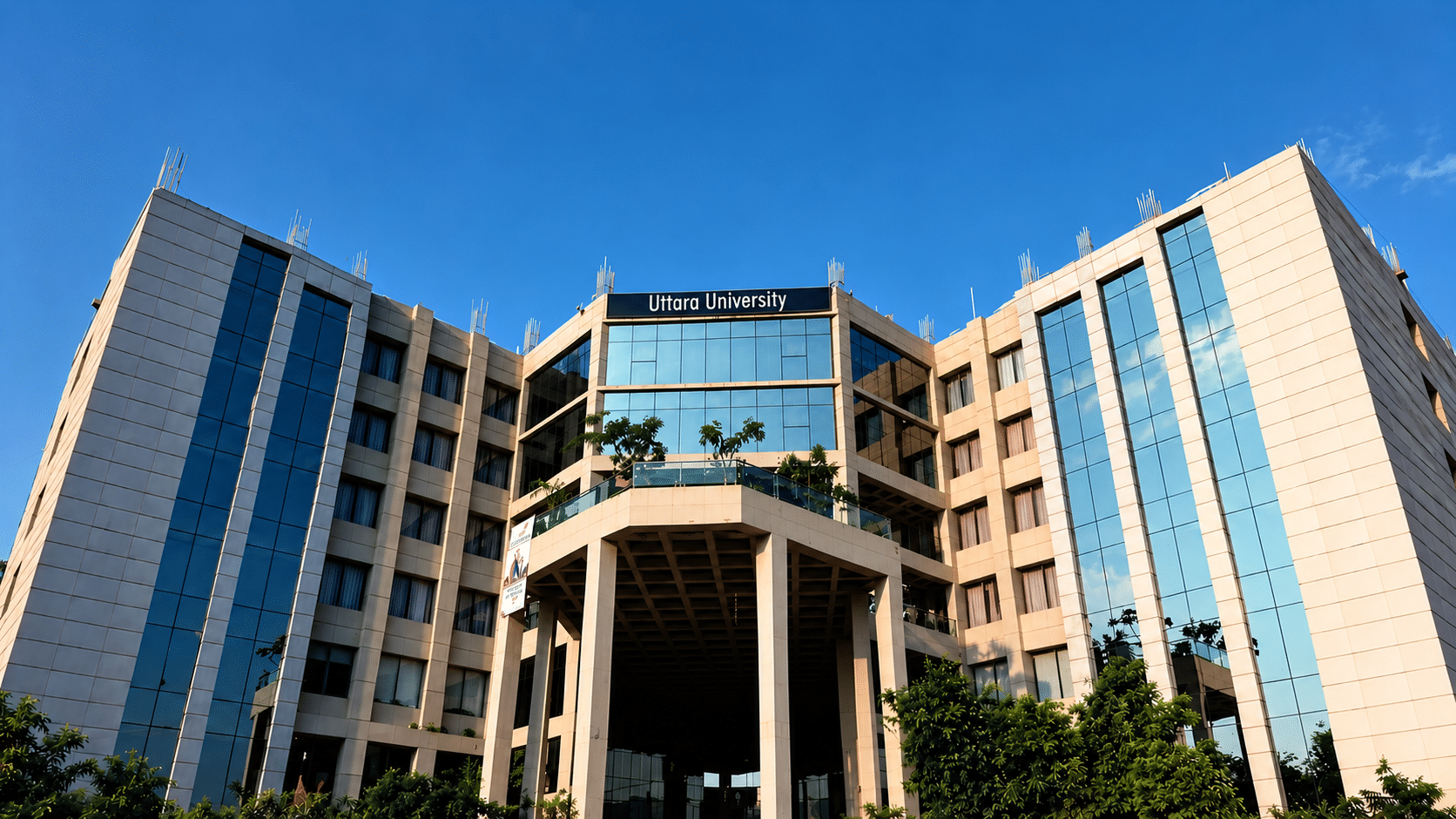
Uttara University envisions a future where knowledge and responsibility coexist, cultivating individuals who excel academically while consciously contributing to a better world. Driven by sustainability and guided by the United Nations Sustainable Development Goals (SDGs), UU is committed to creating a green, inclusive, and socially responsible campus that demonstrates concern for both individuals and the environment.
Uttara University endeavours to incorporate environmental and social consciousness into all aspects of academic and social life through its sustainable practices, research initiatives and community-oriented projects, from widening access to education through scholarships and waivers to supporting student wellbeing and employability. The university fosters innovation, ethical leadership and collaborative action across classrooms and communities to contribute to the 2030 Agenda and secure a sustainable and prosperous future for generations to come.
With modern facilities, experienced faculty, and a vibrant student community, UU empowers learners to combine knowledge with environmental stewardship and social responsibility. By fostering awareness, creativity, and actionable solutions, including SDG seminars organised jointly by its Institutional Ranking Cell and Centre for Research & Training, the university prepares graduates to become advocates for sustainability and drivers of positive environmental and social change.
Embracing the motto "Think Green. Act Smart. Live Sustainable," Uttara University serves as a symbol of transformation, fostering a culture of empathy, awareness, and dedication to a sustainable future. By combining academic rigor with holistic development, UU ensures that every student graduates not just with knowledge, but with the skills, values, and vision to make a meaningful impact in society.
UU Higher Education’s Path to 2030

0
Rankings
0
Publications
0
Innovations
0
Projects
Policies on Sustainability
Equality
Equality, Diversity and Inclusion (EDI) Policy Disability PolicyKnowledge Exchange
Knowledge ExchangeHealth and Wellbeing
Smoke-Free Campus Policy Mental Health and Wellbeing Services Medical & Emergency CareHighlighted SDGs Commitment
SDG 1
No Poverty
Uttara University works so that cost does not keep capable students out of higher education. It offers the Founder Scholarship for outstanding results, merit-based scholarships by SSC and HSC GPA, special scholarships of at least 30% for students with disabilities, students from ethnic minority groups an]d third gender students, the M Azizur Rahman Inclusive Scholarship Scheme for female Indigenous students from socioeconomically disadvantaged backgrounds, and a Student Support Loan Programme with Bank Asia. A career pipeline of seminars, job campaigns and internship fairs helps graduates move into work.
Explore SDG 1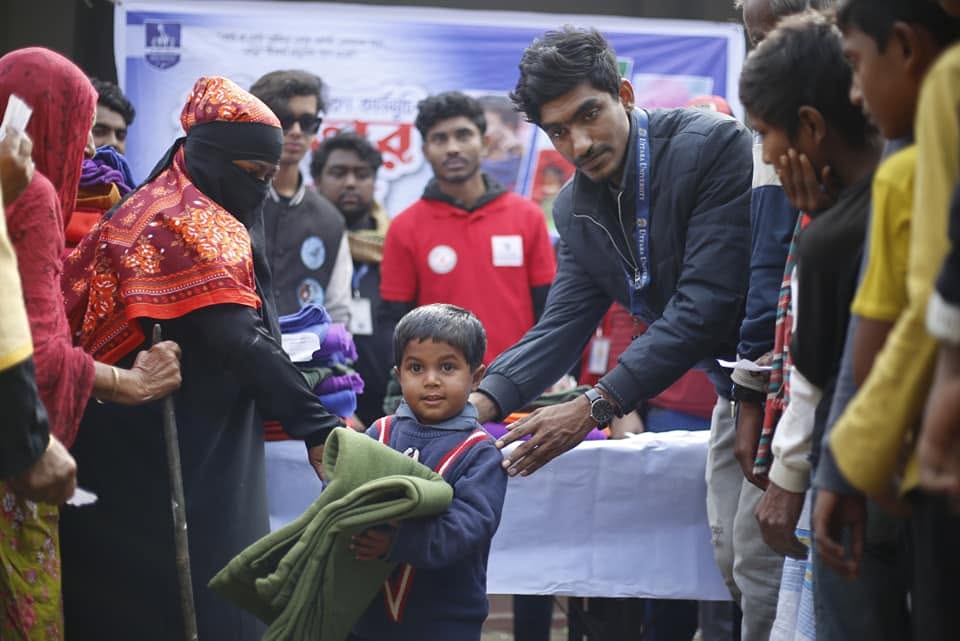
SDG 3
Good Health and Well-Being
The Medical & Emergency Center provides first aid and emergency support. The Mental Health Unit serves students, faculty and staff w ith counselling and therapy, peer counselling and support groups, mental health awareness seminars and campaigns, and crisis intervention with referral to campus and community resources, in a confidential and supportive setting. UU also runs health activities with partners, such as the free health campaign with Praava Health in September 2024.
Explore SDG 3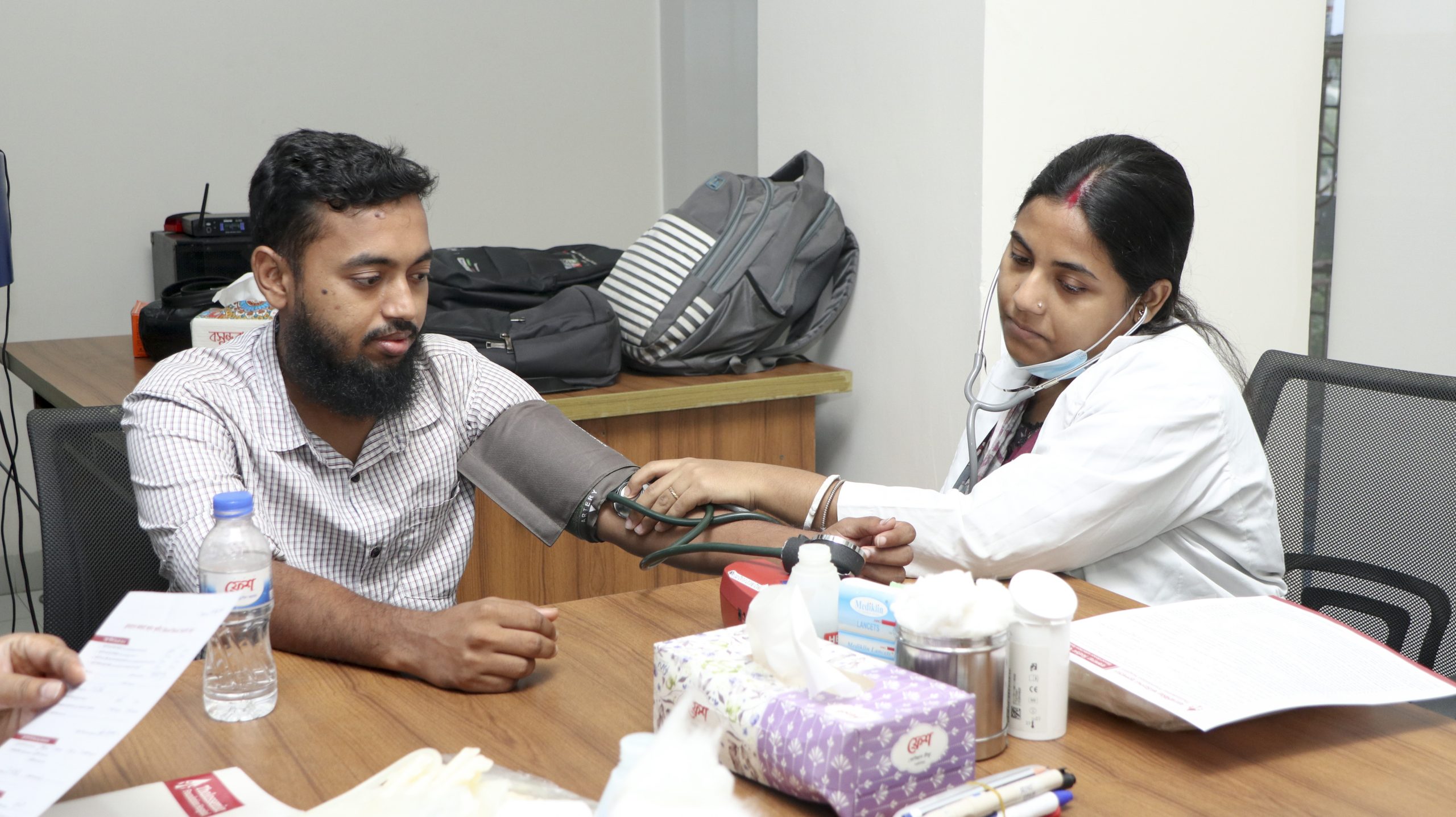
SDG 4
Quality Education
UU admits students from general, diploma, English-medium and international backgrounds under published entry requirements, rewards achievement through scholarships, and supports students throughout their studies. In 2026 it ranked 1st in the world for Student Support and Engagement in WURI.
Explore SDG 4
SDG 8
Decent Work and Economic Growth
Through the Office of External Affairs, UU connects students with employers at HR summits, job campaigns, internship fairs and career seminars, working with partners such as Bdjobs.com, Skill Jobs, Shomvob Jobs and the Federation of Bangladesh Human Resource Organizations.
Explore SDG 8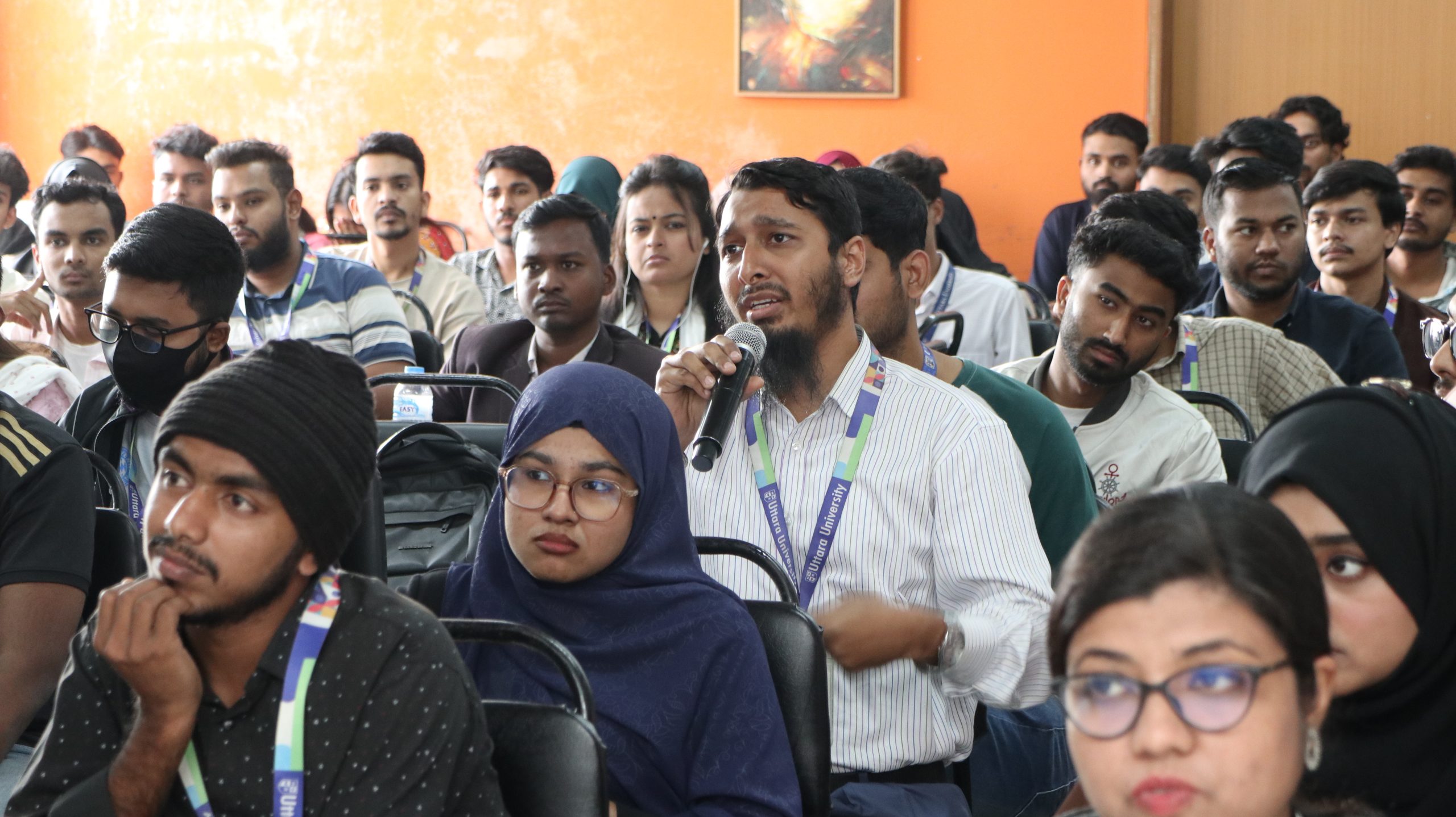
SDG 16
Peace, Justice and Strong Institutions
Through its academic programmes, legal awareness initiatives, moot court workshops and community outreach activities, UU promotes legal education, access to justice, peaceful dispute resolution and awareness of rights and responsibilities.
Explore SDG 16
Activity Highlight & Collaborations
A Green Campus: Advancing Sustainability Through the SDGs
A green campus is more than a space enriched with greenery; it represents a commitment to environmental responsibility, sustainable practices, and a better future for all. At Uttara University, the vision of a greener campus aligns with the United Nations Sustainable Development Goals (SDGs), particularly SDG 11 (Sustainable Cities and Communities), SDG 12 (Responsible Consumption and Production), SDG 13 (Climate Action), and SDG 15 (Life on Land).
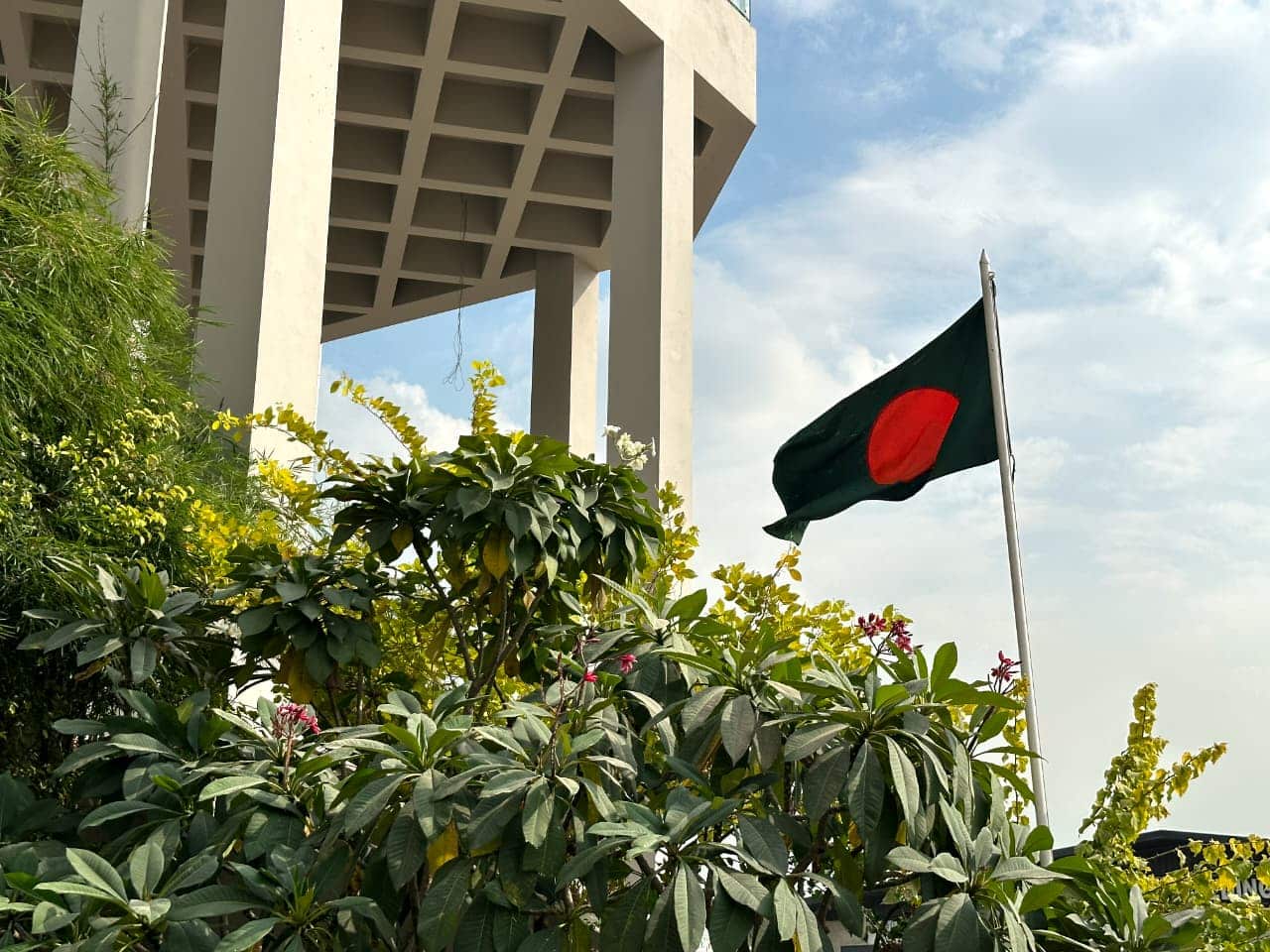

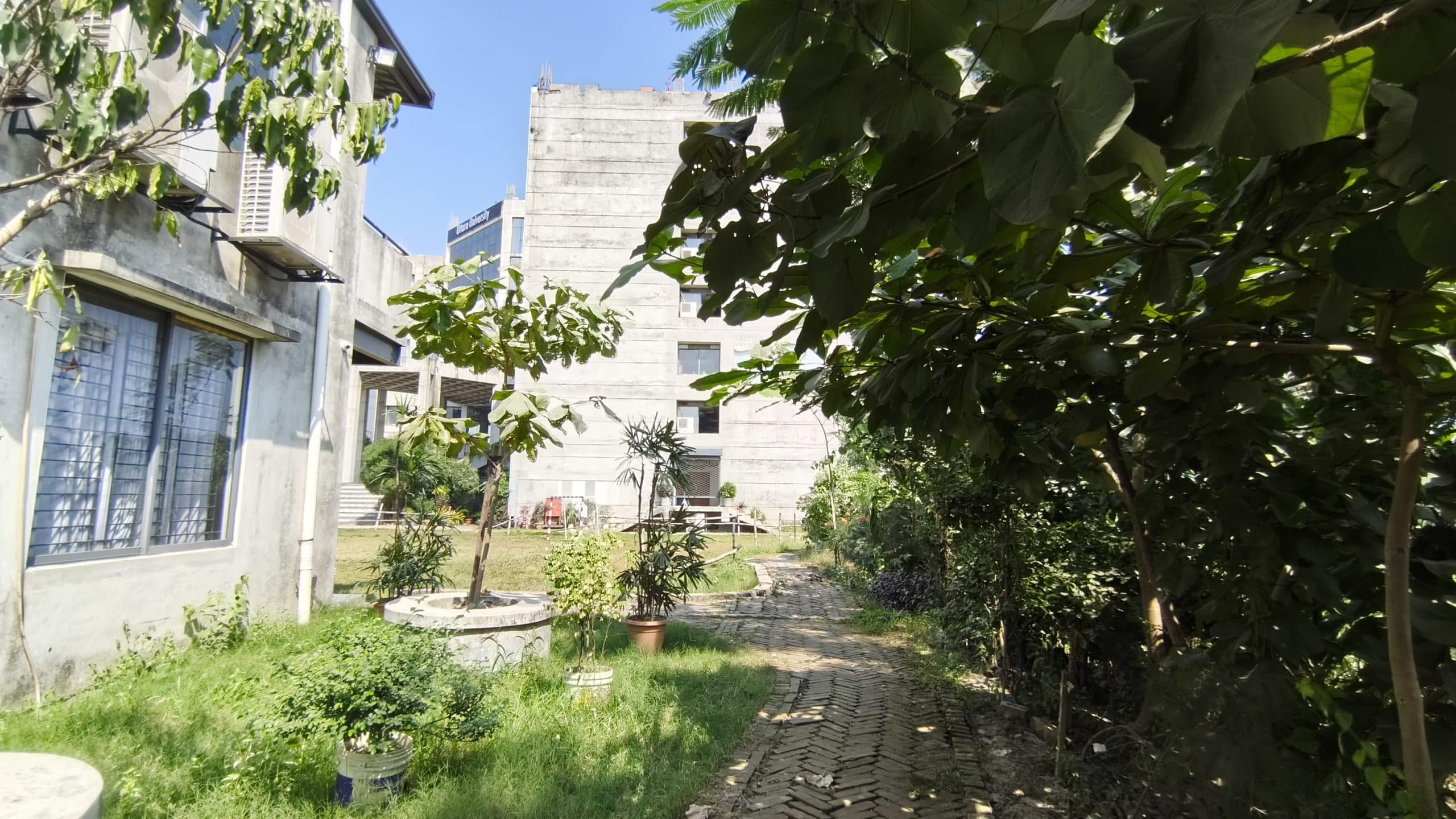
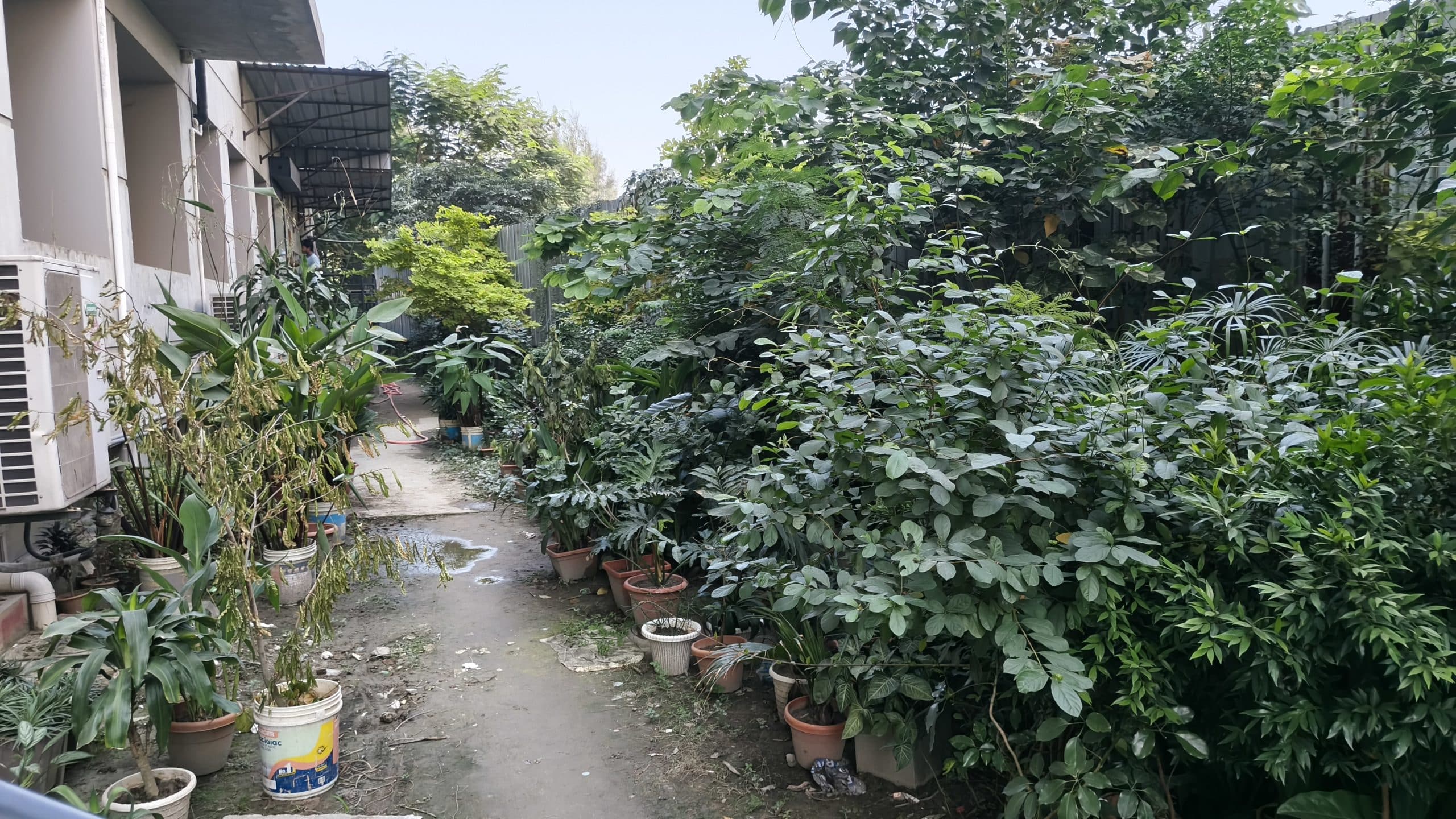
Through promoting environmental awareness, responsible waste management, energy and water conservation, and biodiversity protection, the university seeks to foster a culture of sustainability within its academic community. By encouraging students, faculty members, and staff to embrace environmentally conscious practices, Uttara University aims to transform sustainability from an institutional commitment into a shared responsibility. This vision reflects the belief that education should not only equip future generations with knowledge and skills but also inspire them to become responsible global citizens who contribute to a more resilient, inclusive, and sustainable world.
Waste Management: Building a Sustainable Campus
Responsible waste management is a vital component of a green campus and an important step toward achieving the United Nations Sustainable Development Goals (SDGs), particularly SDG 12 (Responsible Consumption and Production), SDG 11 (Sustainable Cities and Communities), and SDG 13 (Climate Action). Uttara University aims to foster a cleaner and more sustainable campus by promoting waste reduction, proper waste segregation, recycling, and the responsible disposal of waste.

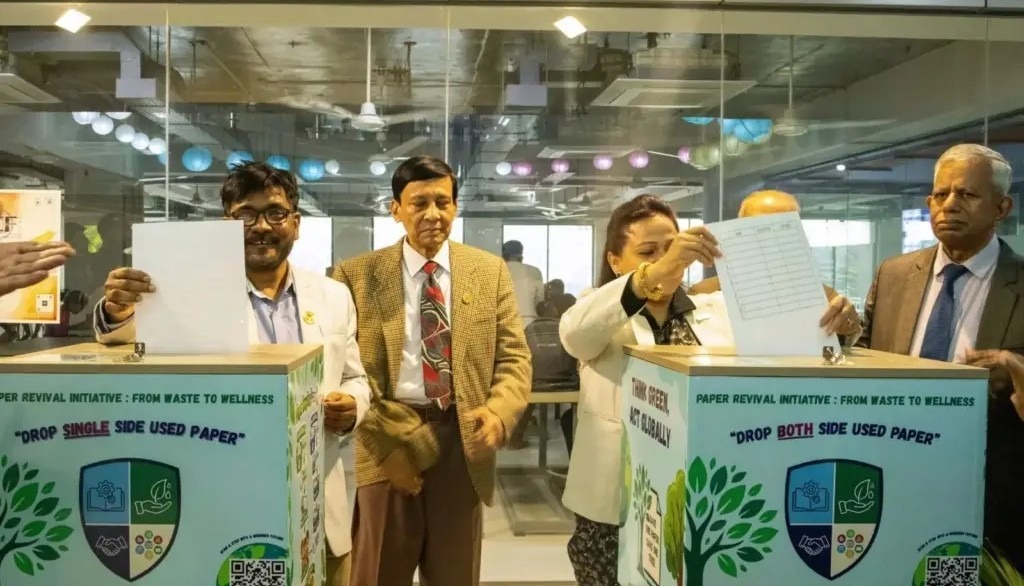
Encouraging the use of reusable materials, minimizing single-use plastics, and raising awareness among students, faculty members, and staff can help reduce the environmental footprint of campus activities. By integrating responsible waste management into everyday campus life, the university can strengthen environmental awareness, conserve valuable resources, and inspire its community to adopt sustainable habits beyond the campus. These efforts contribute to a cleaner learning environment and support the broader goal of building a more sustainable future.
Sustainability Week 2025: 7-Days of Action for a Sustainable Future
Uttara University celebrated Sustainability Week 2025 through a seven-day programme aimed at raising awareness of the United Nations Sustainable Development Goals (SDGs) and promoting sustainable practices across the university community.
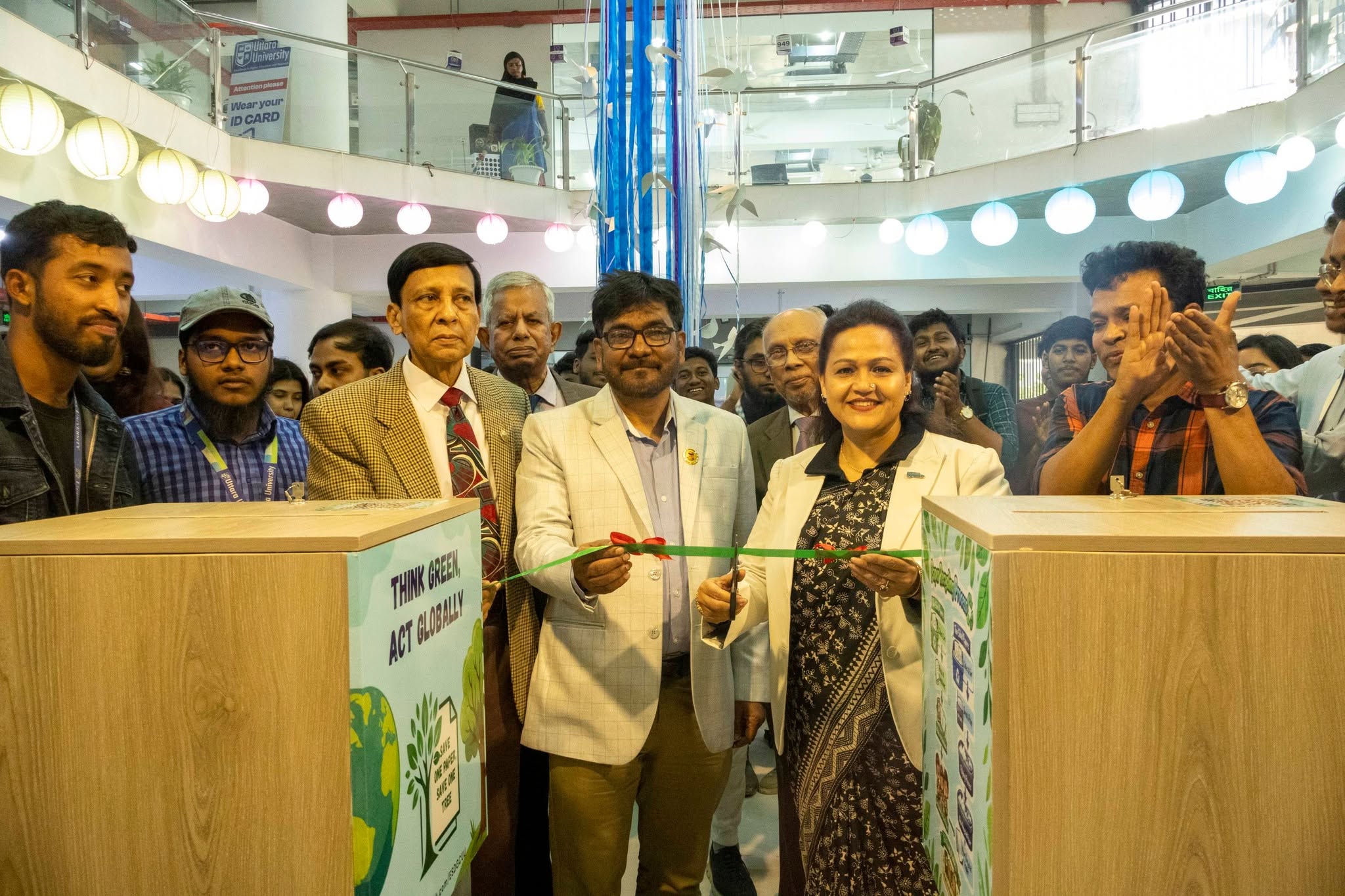
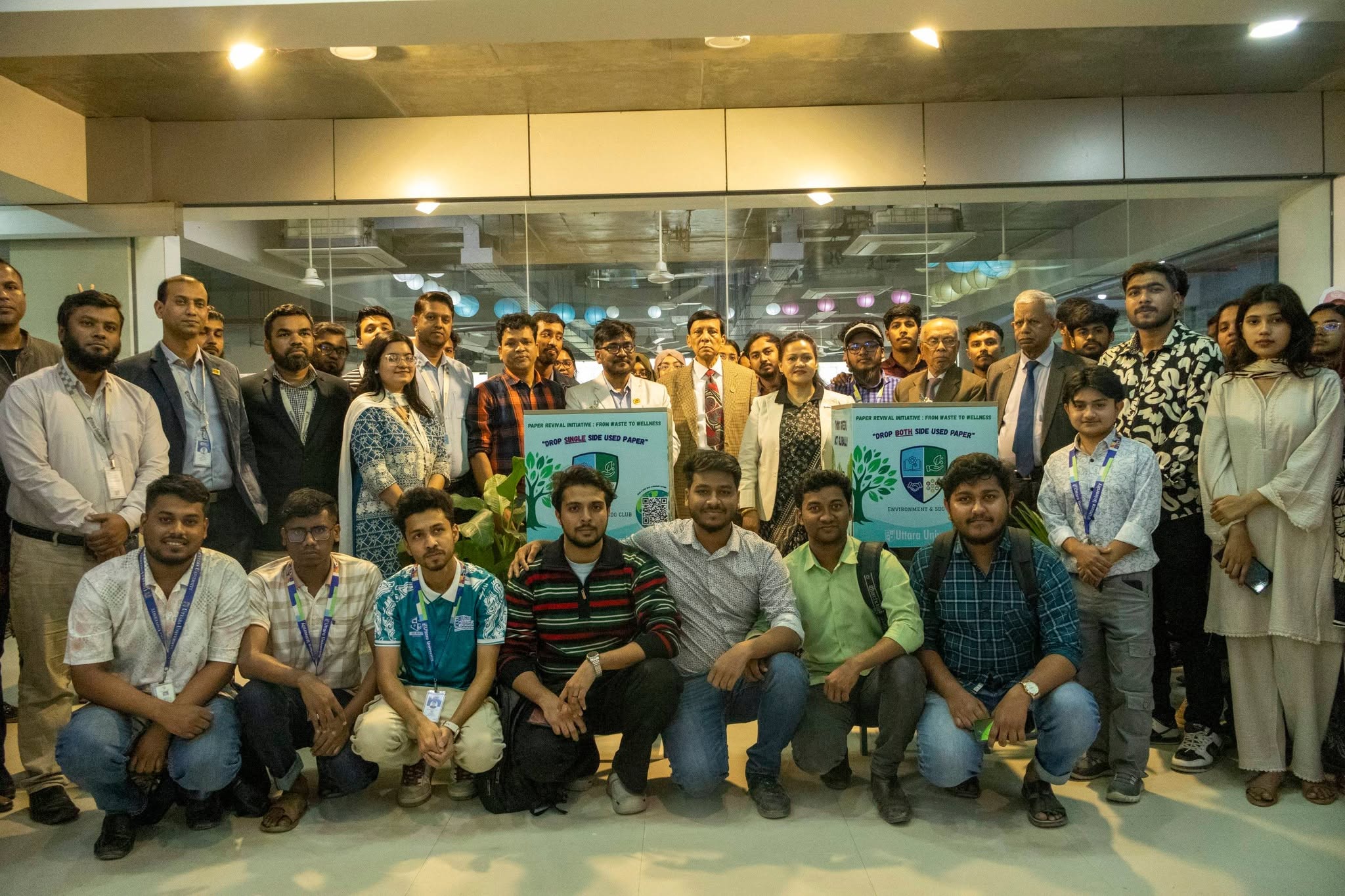
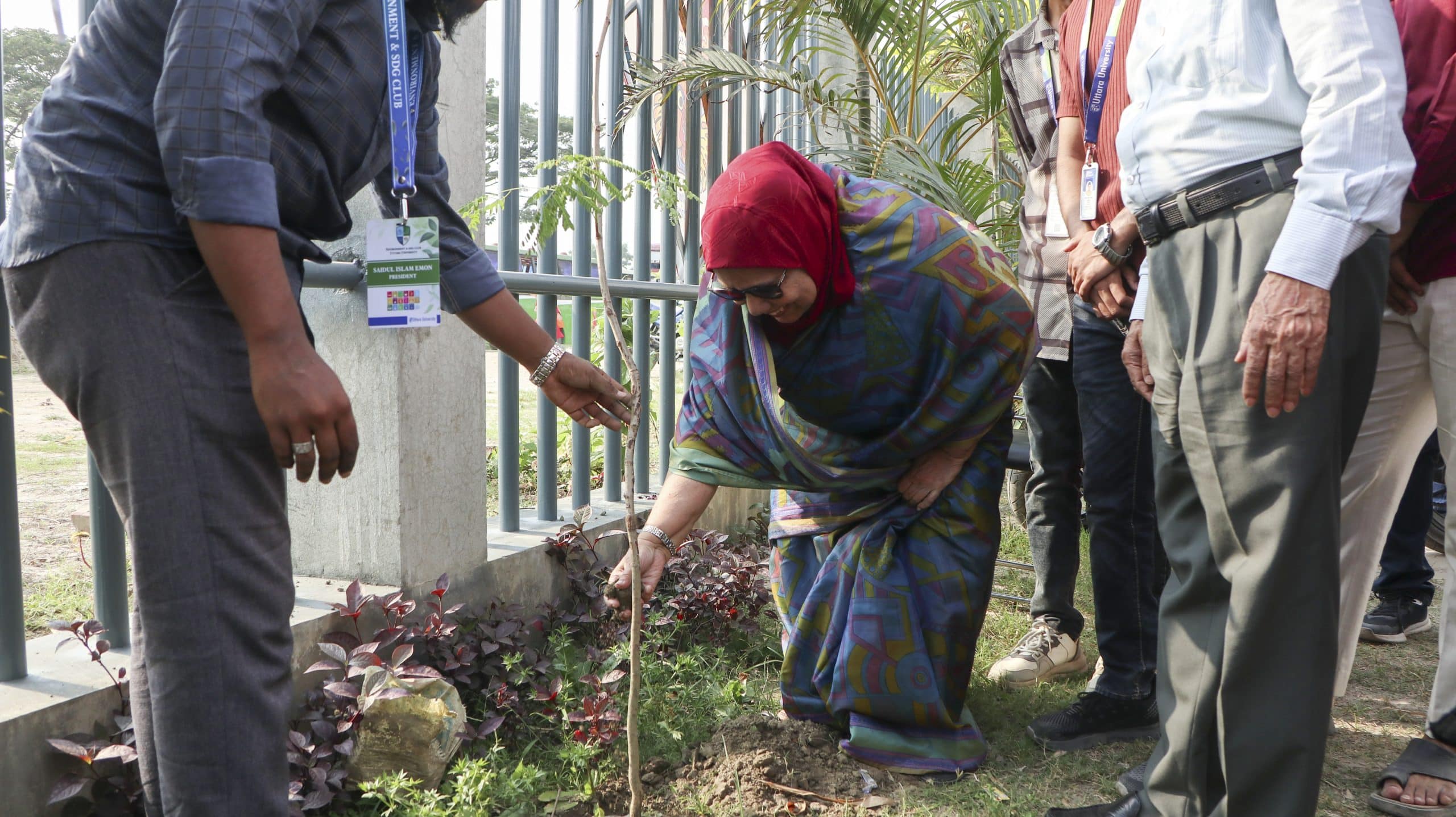
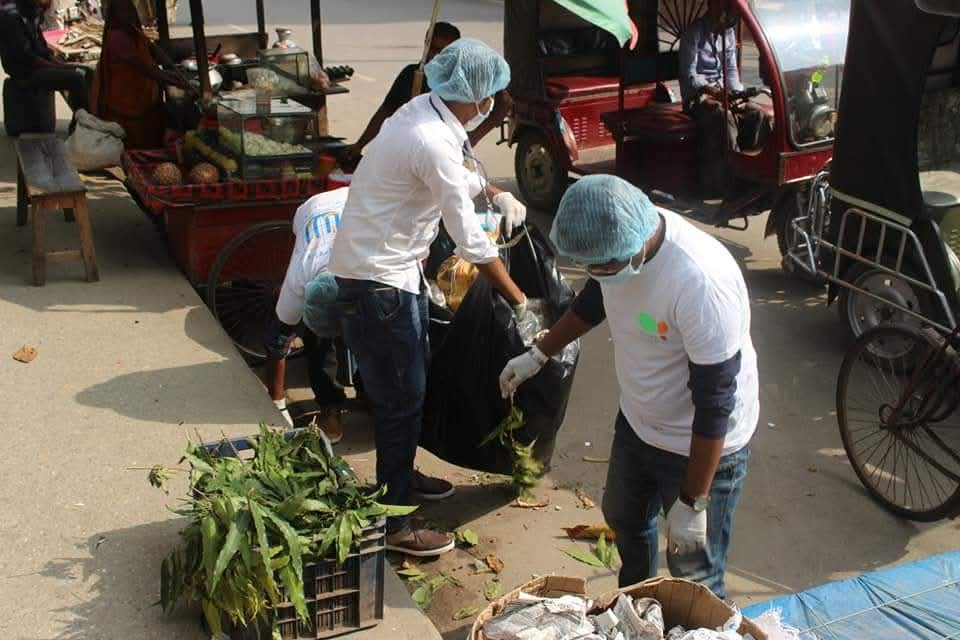
The programme featured an inauguration ceremony and an awareness session on the SDGs on Day 1, followed by a campus clean-up drive, tree planting, and indoor plant distribution on Day 2. Day 3 focused on recycling awareness, encouraging students to adopt responsible waste management practices.
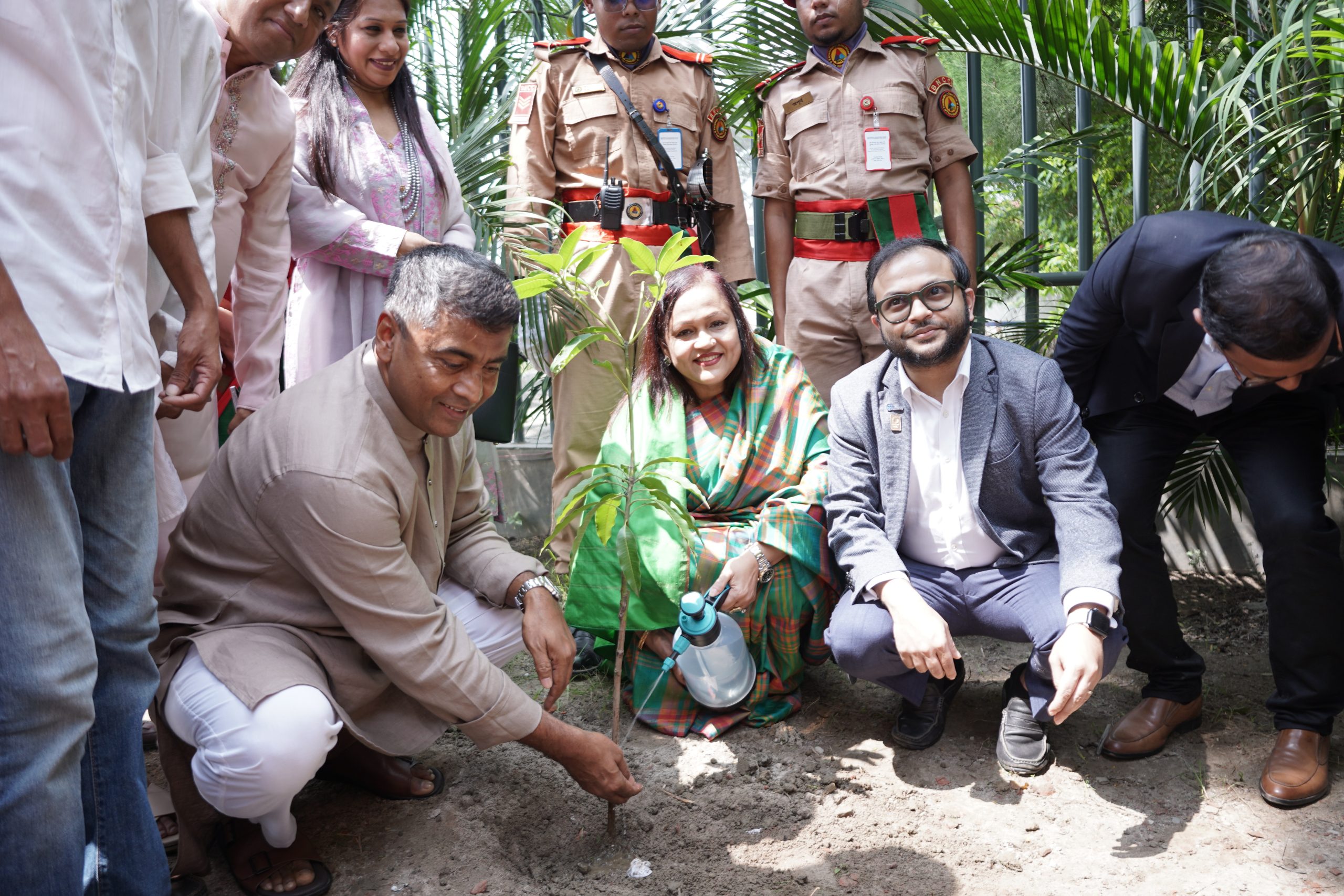
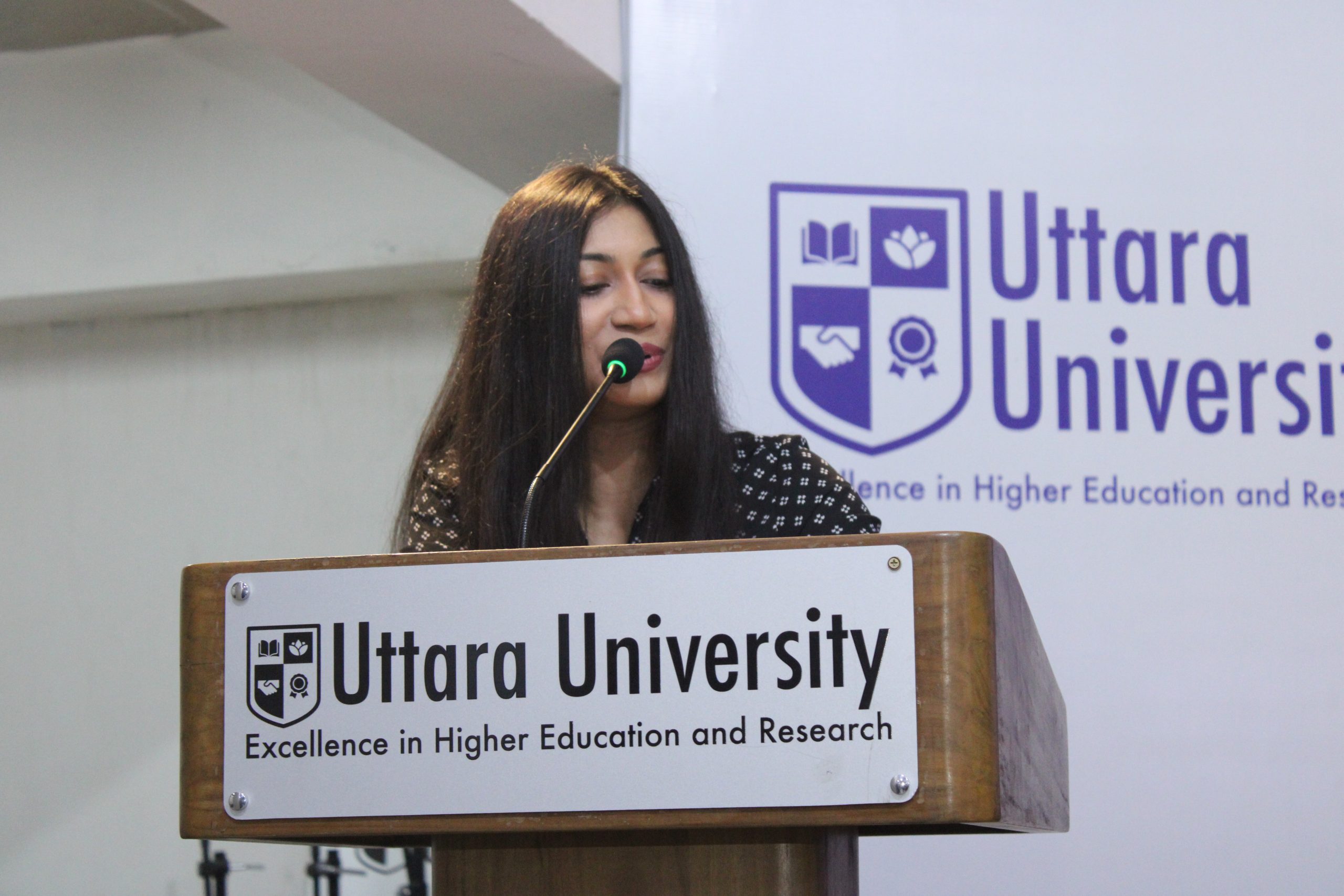
The week also featured engaging activities such as a sustainability quiz, an upcycling workshop, and a student-led exhibition showcasing eco-friendly ideas.
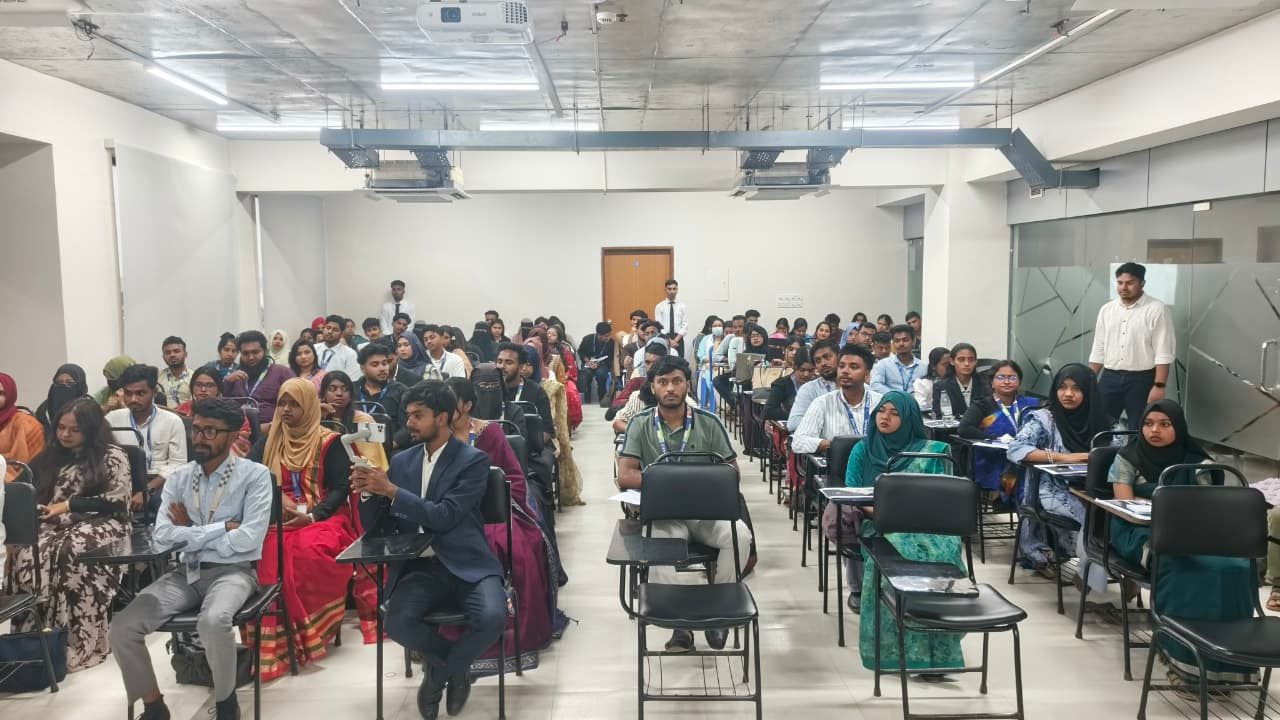
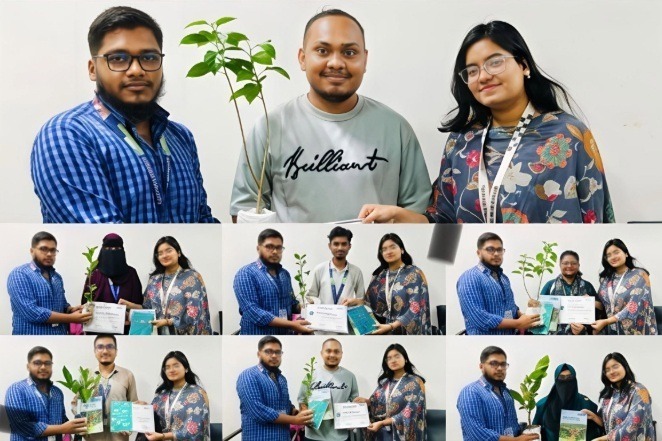
Through these initiatives, the university encouraged environmental responsibility, student participation, and practical action toward a more sustainable future, supporting SDG 12: Responsible Consumption and Production, SDG 13: Climate Action, and SDG 15: Life on Land.
Food Insecurity and Hunger
Uttara University recognises that access to safe, nutritious, and sufficient food is essential to individual well-being and sustainable development. In alignment with SDG 2: Zero Hunger, the university acknowledges the importance of addressing food insecurity through awareness, community engagement, and responsible resource management. By encouraging food donation initiatives, promoting nutrition awareness, and exploring opportunities to support students and vulnerable communities facing food insecurity, the university can contribute to building a more inclusive and food-secure society. Furthermore, promoting responsible food consumption and reducing food waste across campus can help ensure that available resources are used efficiently.

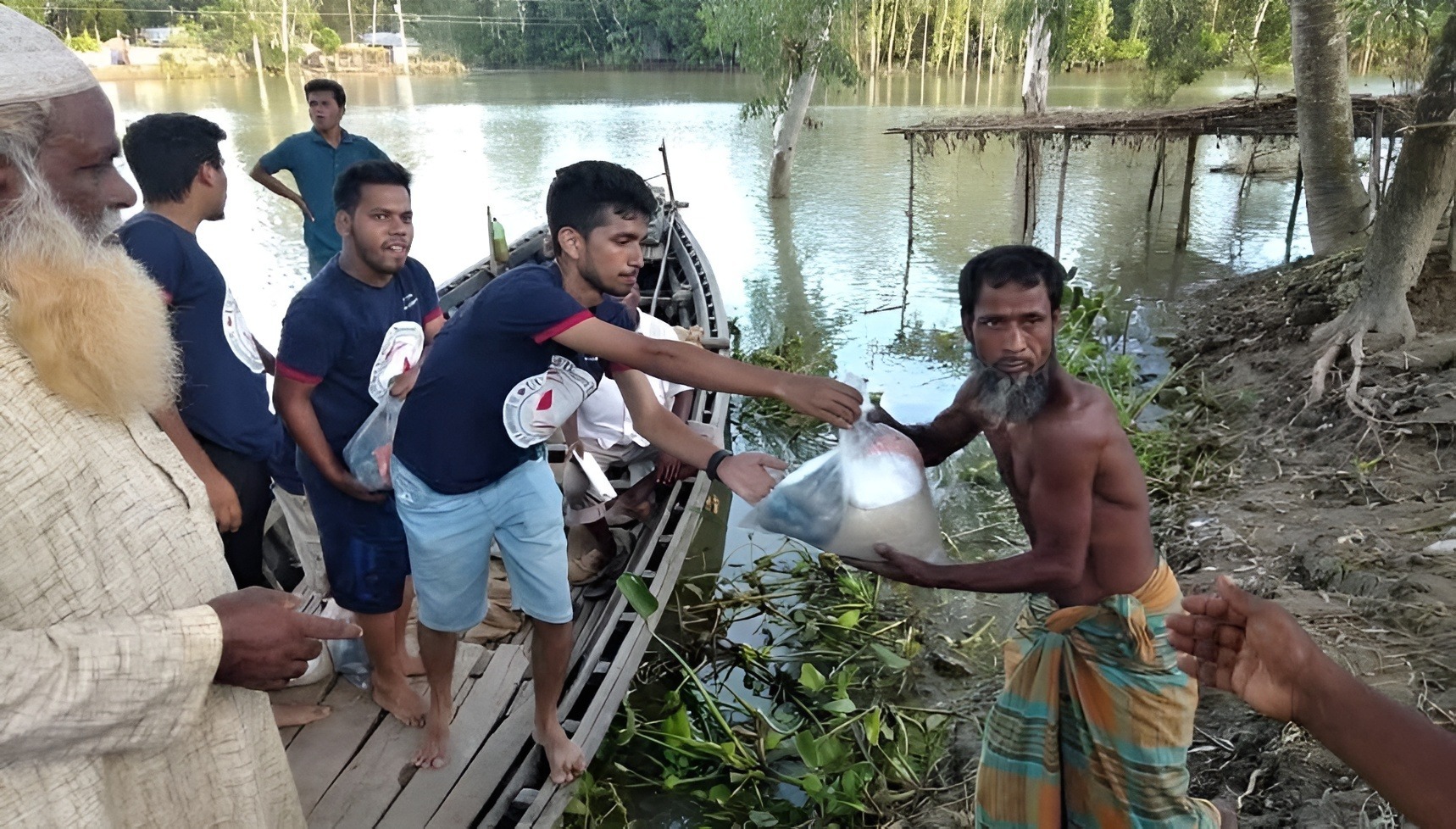
Through collaborative efforts involving students, faculty members, staff, and community partners, Uttara University aspires to foster a culture of compassion, social responsibility, and sustainability, contributing to the global vision of ending hunger and ensuring access to nutritious food for all.
Towards a Poverty-Free Society
Uttara University recognises the importance of reducing poverty and promoting equal opportunities as essential steps toward sustainable development. In alignment with SDG 1: No Poverty, the university is committed to fostering an inclusive educational environment where individuals can access opportunities for learning, personal growth, and socioeconomic advancement. Through education, research, community engagement, and collaboration with relevant stakeholders, the university can contribute to addressing socioeconomic inequalities and empowering underserved communities.
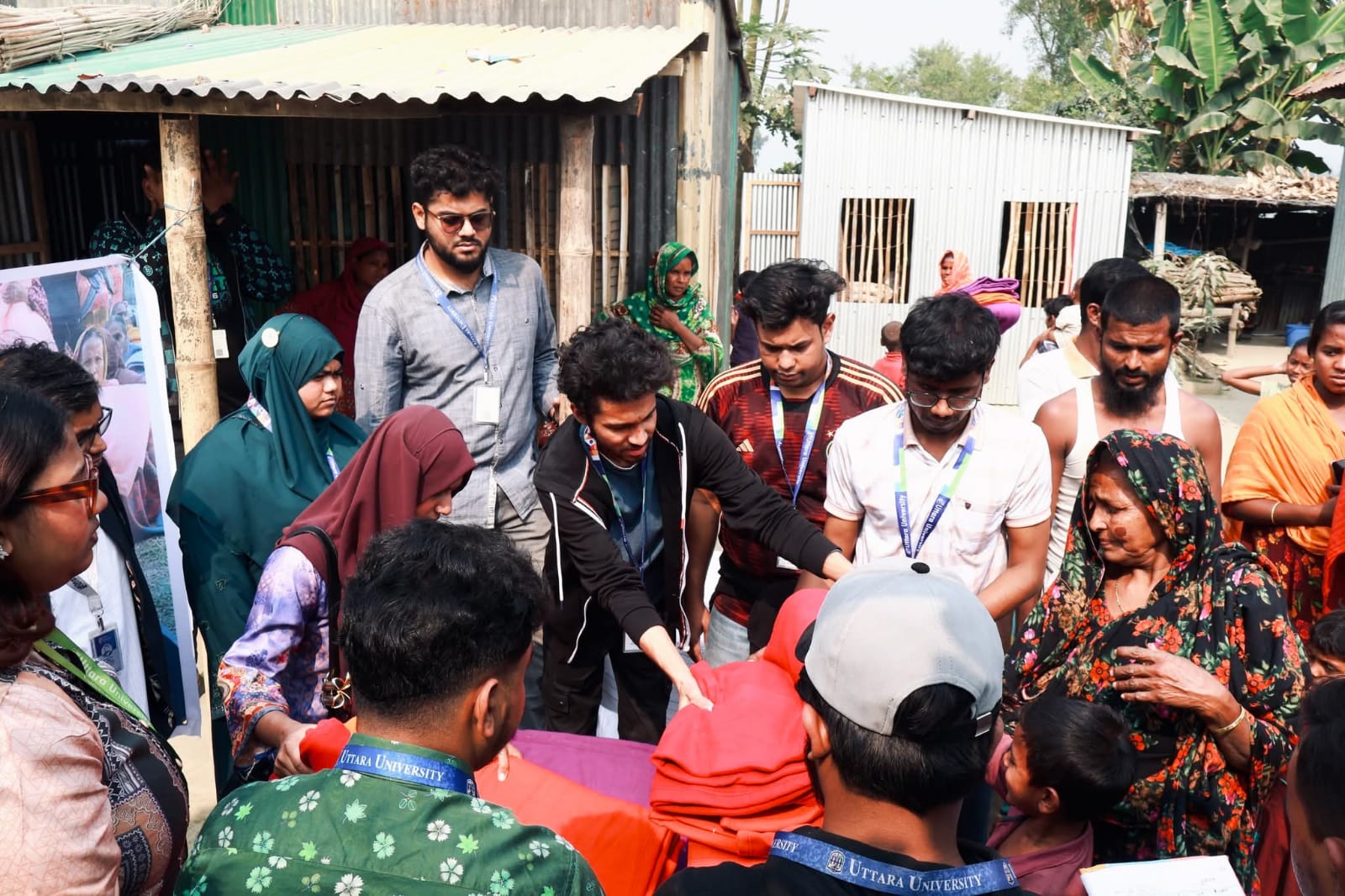
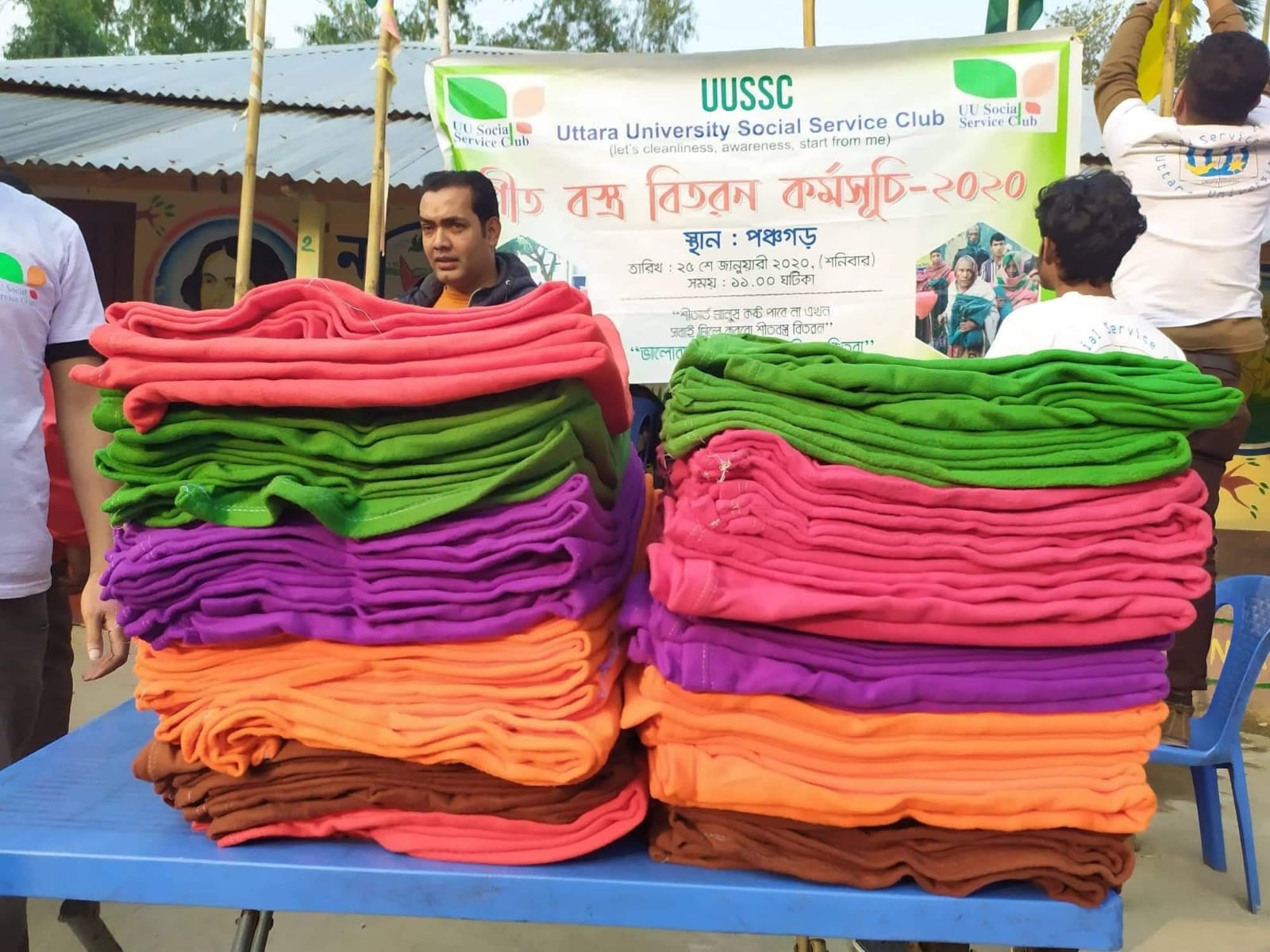
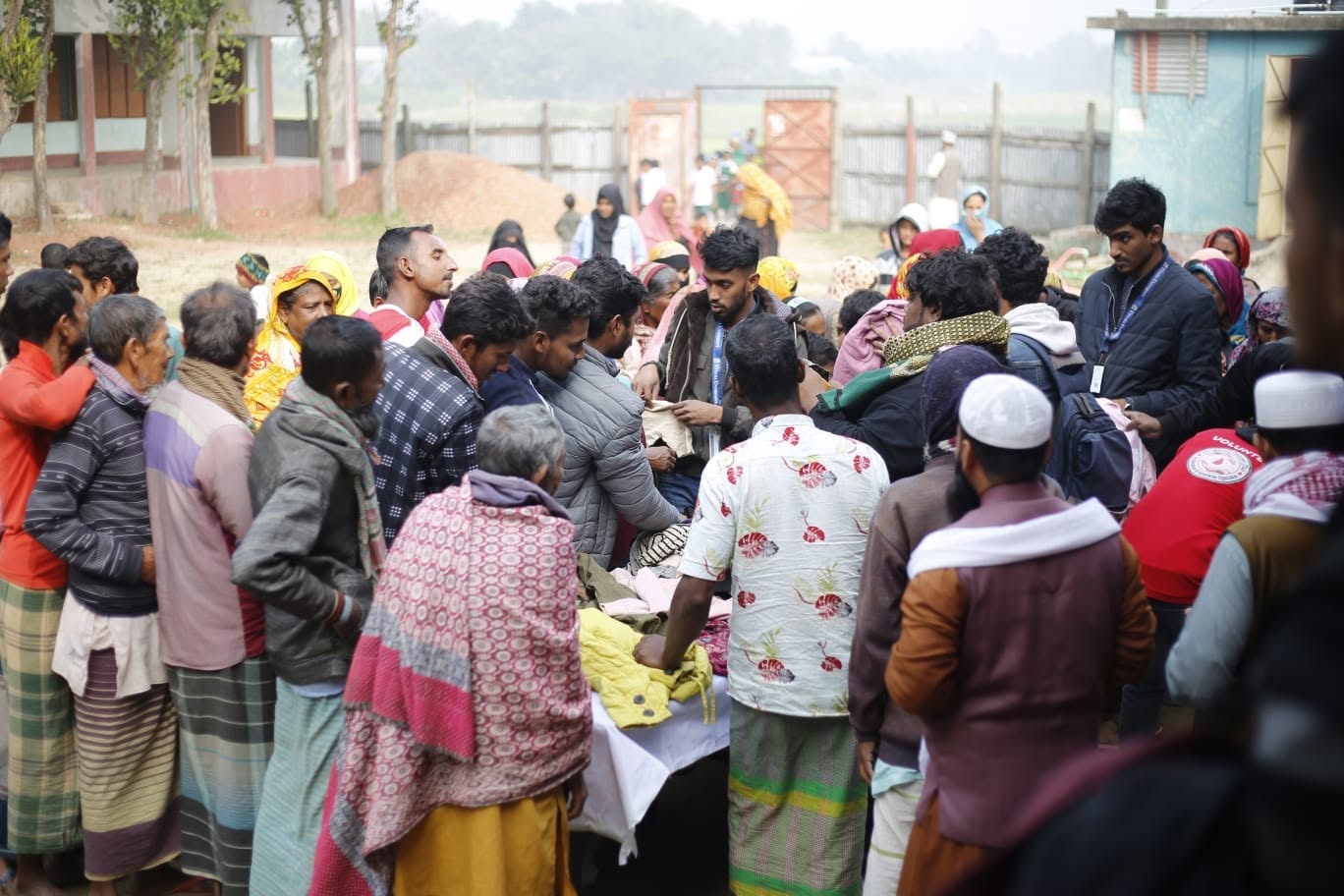
Initiatives such as exploring financial assistance for students from disadvantaged backgrounds, promoting skill development and employability, and encouraging student-led community outreach can help create pathways toward greater economic resilience. By advancing accessible education and social responsibility, Uttara University aims to contribute to a future where everyone has the opportunity to improve their quality of life and participate meaningfully in society.
Protecting Aquatic Ecosystems for a Sustainable Future
Uttara University recognises the importance of conserving oceans, seas, and aquatic ecosystems in maintaining ecological balance and supporting sustainable development. In alignment with SDG 14: Life Below Water, the university aims to promote awareness of aquatic biodiversity conservation, marine pollution prevention, and the responsible use of water resources. Through environmental awareness campaigns, student-led initiatives, research, and community engagement, the university can encourage action to reduce plastic pollution, prevent waste from entering waterways, and protect aquatic habitats.
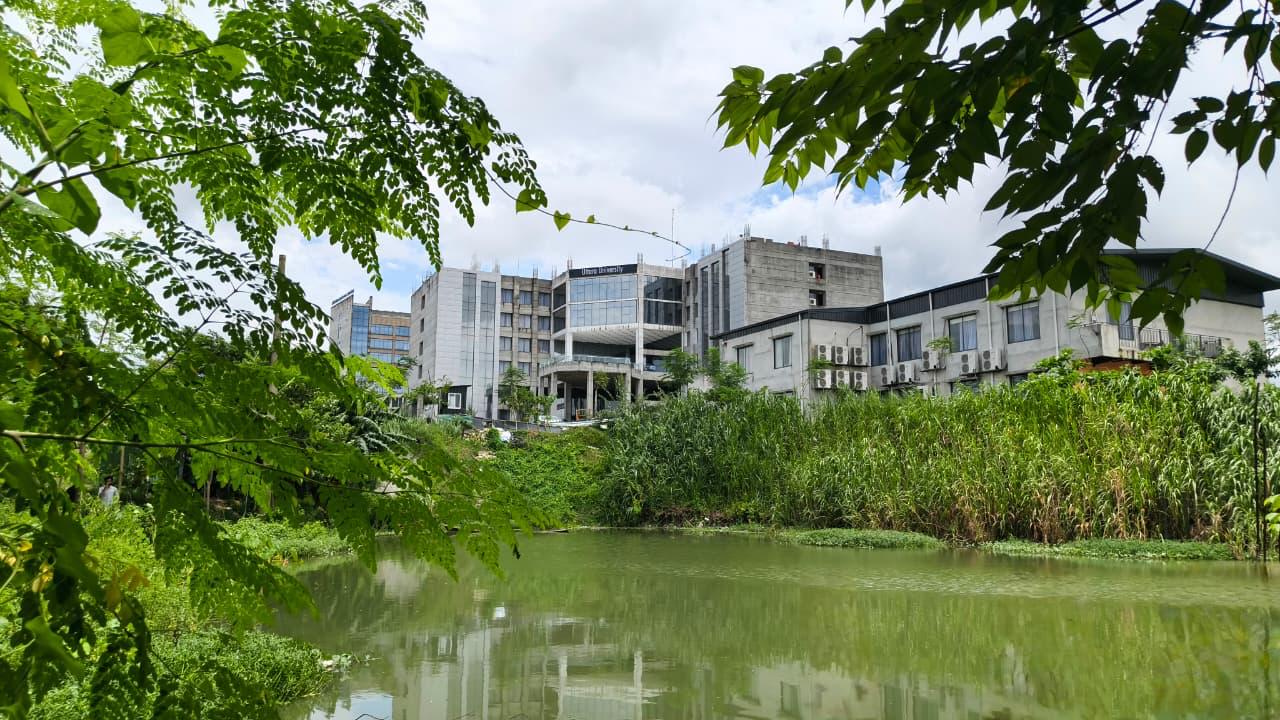

By fostering collaboration among students, faculty members, researchers, and environmental organisations, Uttara University seeks to strengthen environmental responsibility and contribute to the conservation of aquatic ecosystems. These efforts support the broader goal of protecting water-based life and preserving natural resources for present and future generations.
Climate Action and Energy Conservation for a Sustainable Campus
Uttara University recognises climate action and energy conservation as essential components of its commitment to sustainable development. In alignment with SDG 13: Climate Action and SDG 7: Affordable and Clean Energy, the university seeks to promote environmental responsibility through climate awareness, energy-efficient practices, and the responsible use of resources across campus. Initiatives such as encouraging the efficient use of lighting and air conditioning, switching off electrical equipment when not in use, exploring energy-efficient technologies, and raising awareness of renewable energy can help reduce energy consumption and minimise the university's environmental footprint.
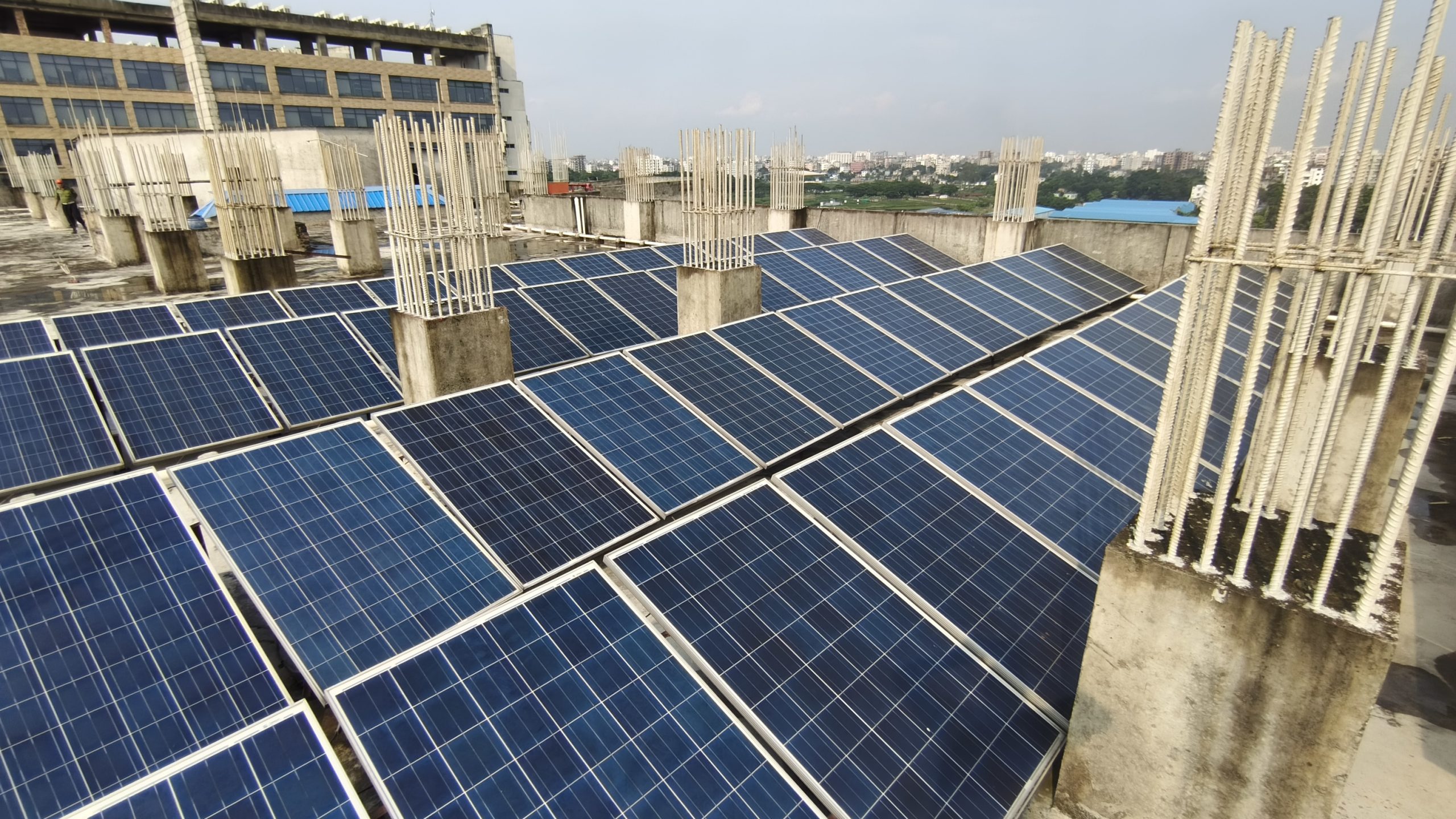

Through student engagement, academic activities, sustainability-focused research, and campus-wide awareness campaigns, Uttara University aims to foster a culture of climate responsibility. By integrating energy conservation into everyday practices and institutional planning, the university can contribute to reducing greenhouse gas emissions and building a more energy-efficient and climate-resilient future.
Mental Health and Well-Being for All
Uttara University recognises mental health as an essential component of individual well-being and an inclusive, supportive learning environment. In alignment with SDG 3: Good Health and Well-Being, the university's Mental Health Unit supports the psychological and emotional well-being of students, faculty members, and staff through counselling and therapy, peer counselling, support groups, awareness seminars, and campaigns.

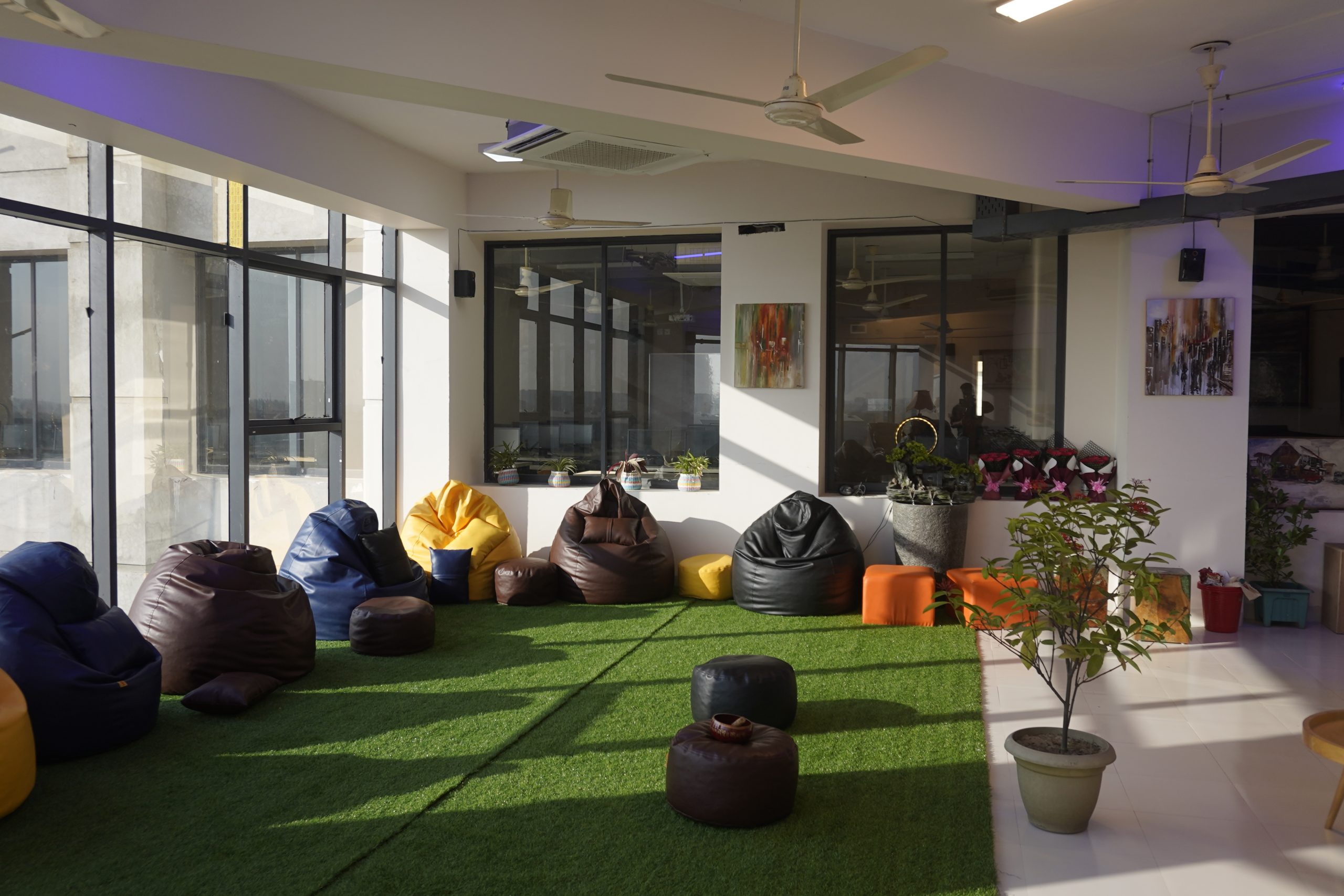
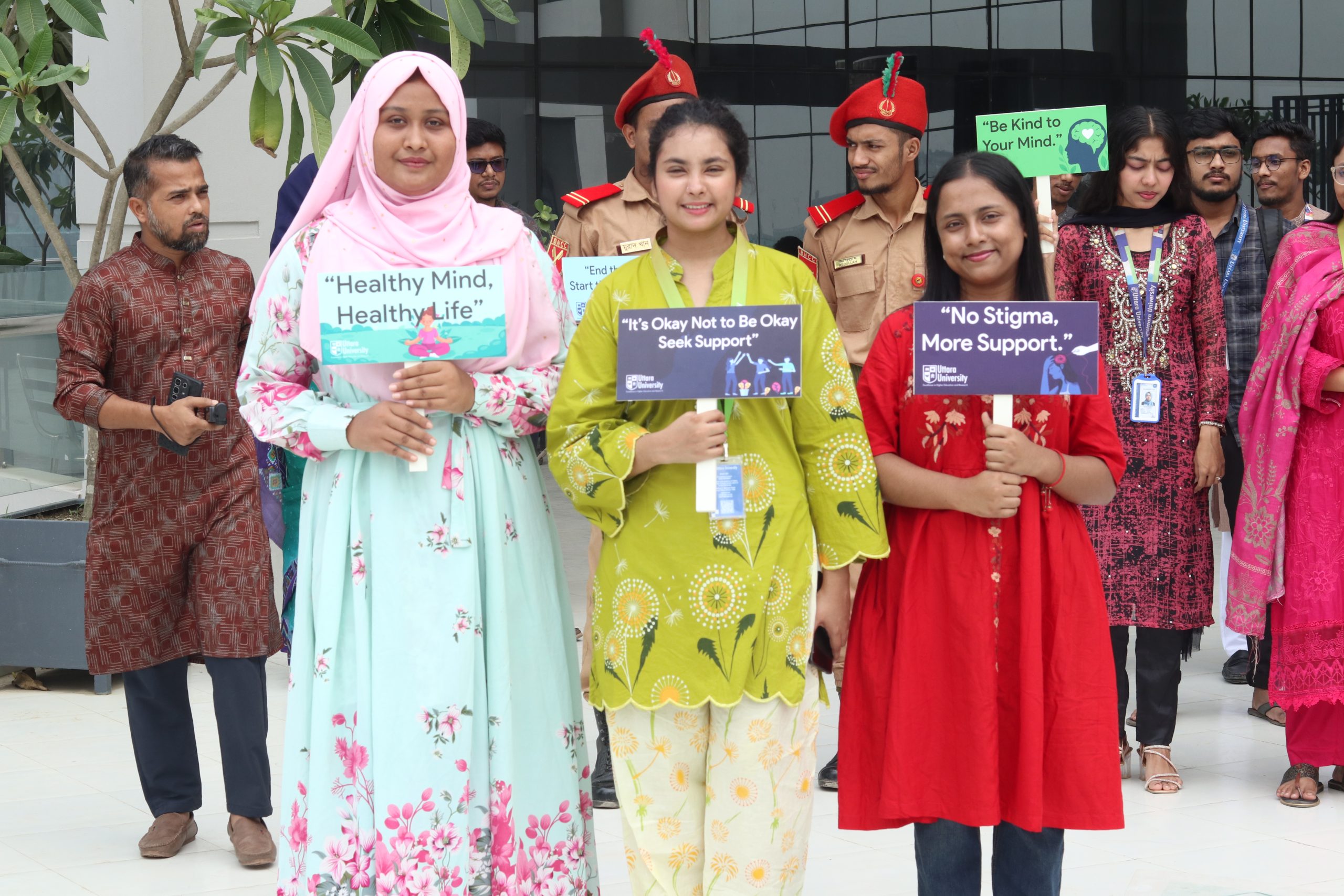

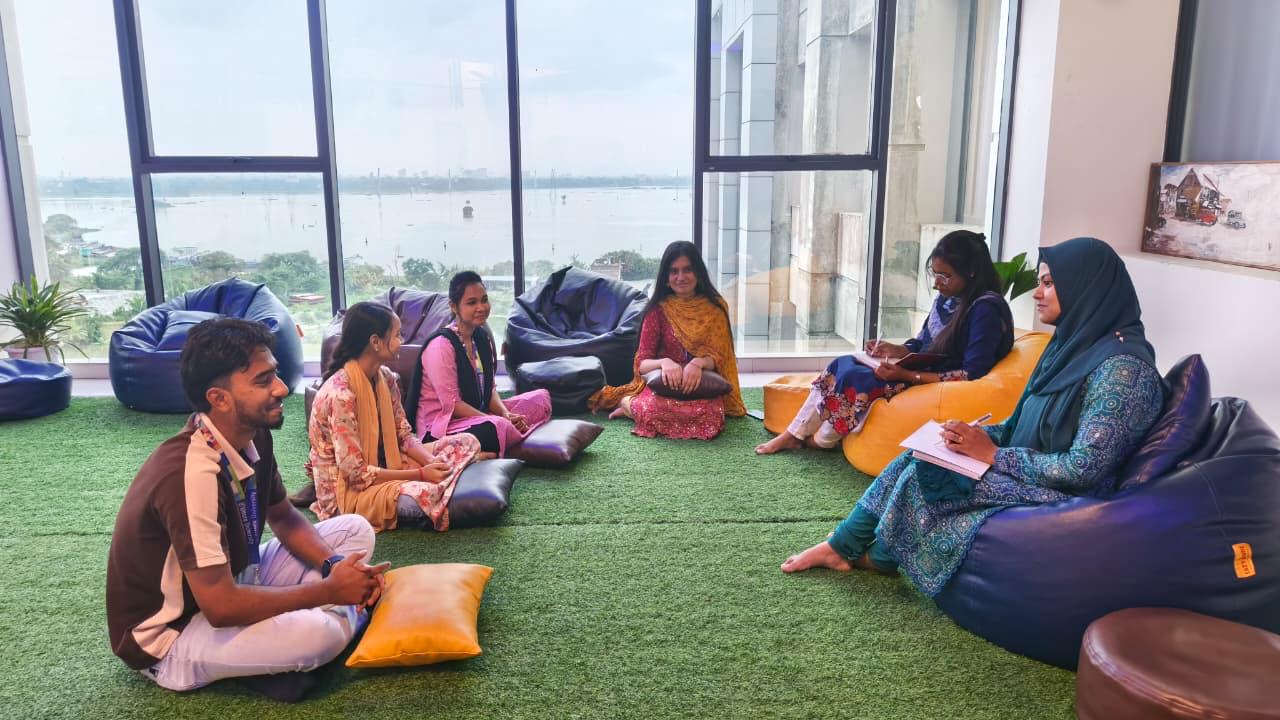
The unit also works to promote early help-seeking, provide appropriate crisis response, and reduce the stigma associated with mental health challenges. By fostering a culture of empathy, confidentiality, and mutual support, Uttara University aims to create an environment where individuals feel comfortable seeking assistance without fear of judgment. These efforts contribute to a healthier university community in which mental well-being is valued alongside academic achievement, professional development, and personal growth.
Sexual and Reproductive Health and Rights: Promoting Student Well-Being
Uttara University recognises access to sexual and reproductive health and rights (SRHR) information and healthcare services as an important aspect of student health, dignity, and well-being. In alignment with SDG 3: Good Health and Well-Being and SDG 5: Gender Equality, the university can promote informed decision-making and responsible health practices through SRHR awareness events, educational campaigns, and access to appropriate medical and counselling services.
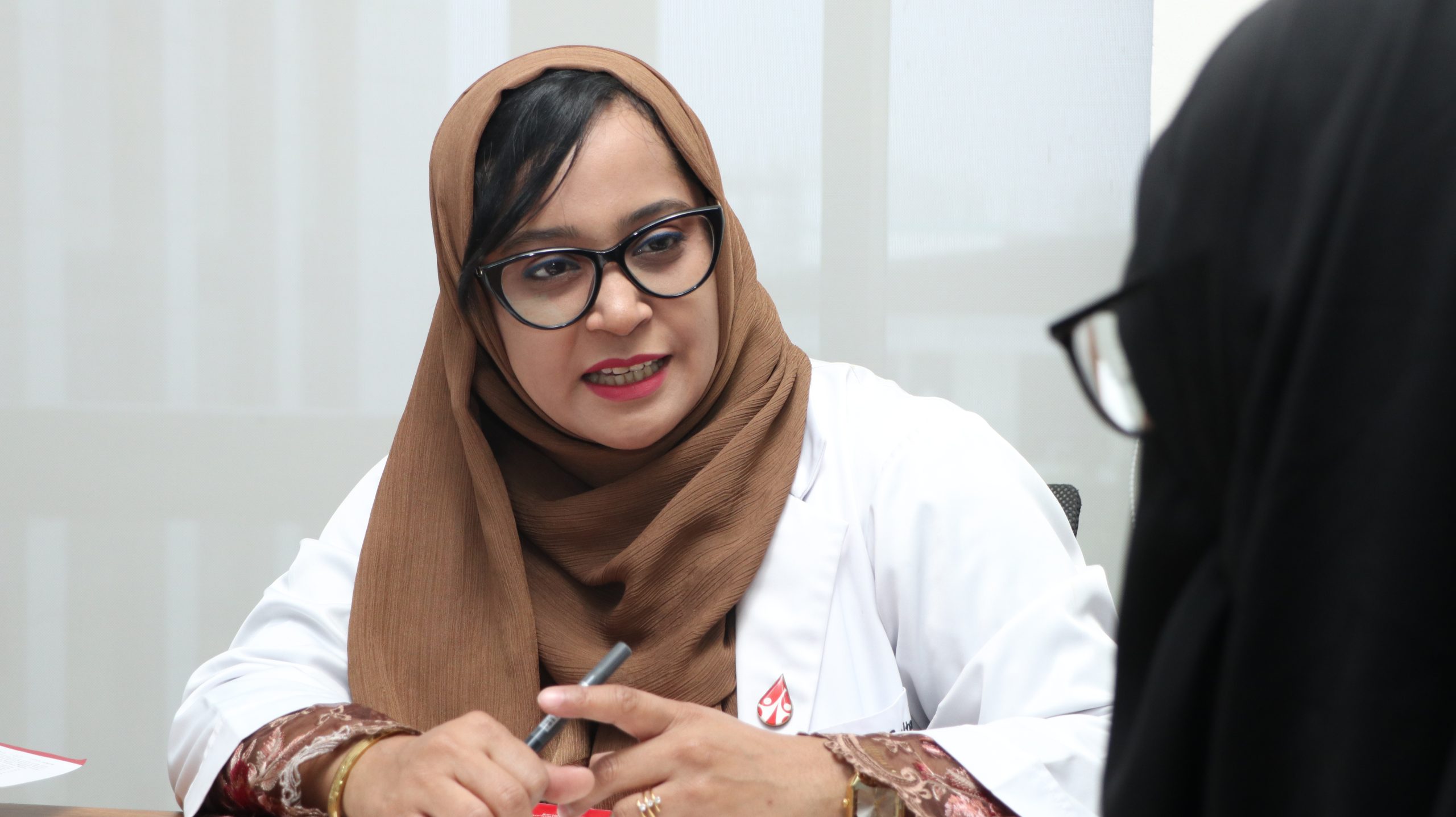
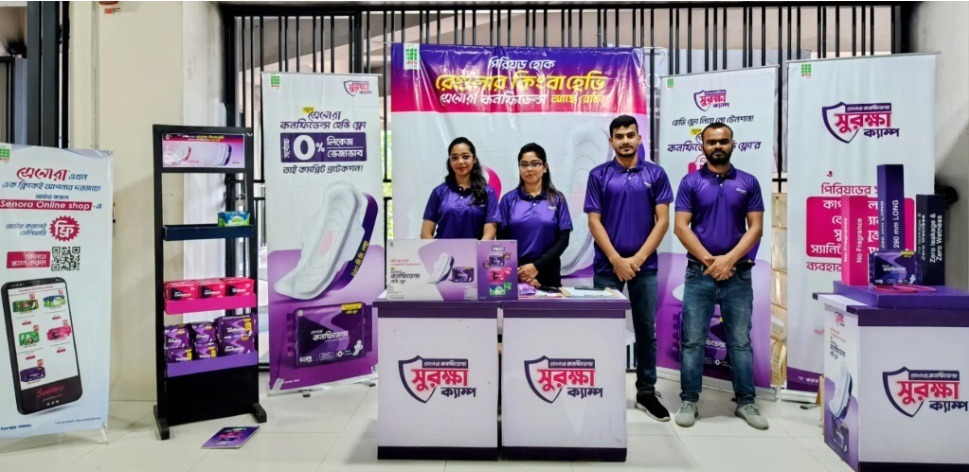
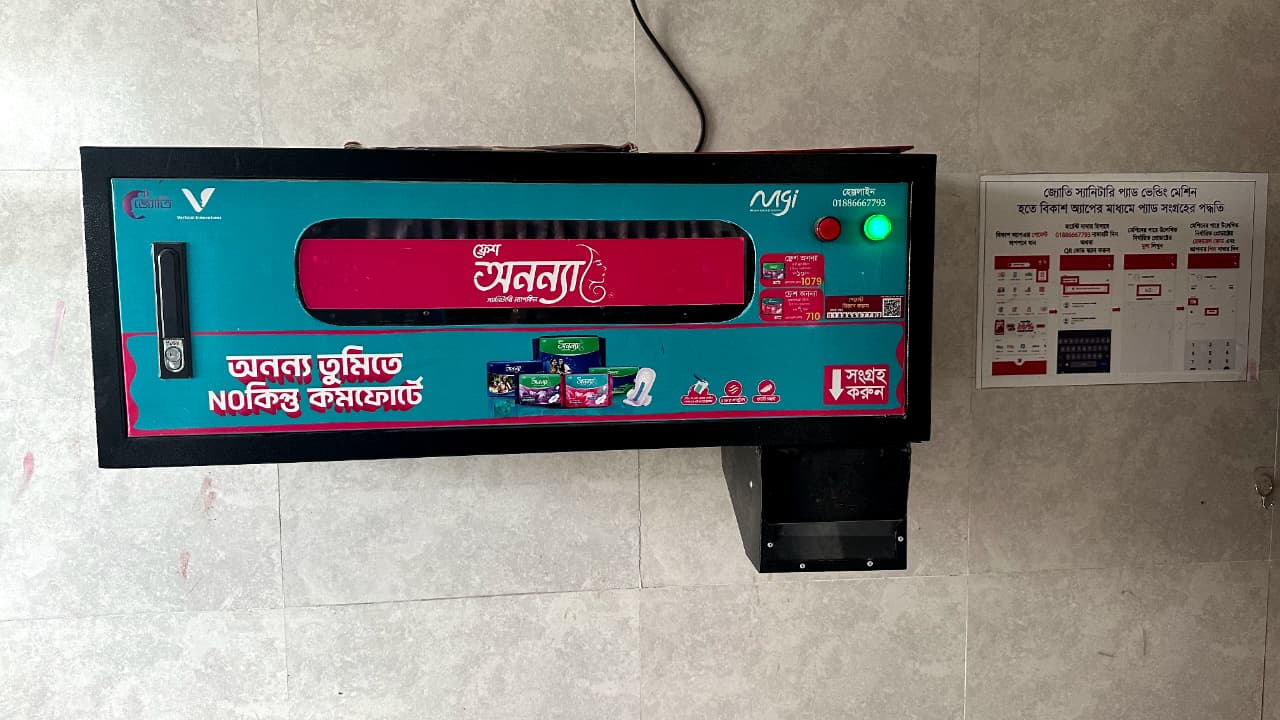
Collaboration between the university's medical care facilities and Mental Health Unit can help address students' physical, psychological, and emotional well-being in a supportive and confidential environment. By encouraging health education, reducing stigma, and promoting respectful access to professional guidance, Uttara University aims to foster a campus culture where students can seek reliable information and appropriate support without fear of discrimination or judgment.
Sustainability Literacy: Empowering Students for a Sustainable Future
Uttara University recognises sustainability literacy as an essential component of higher education, equipping students with the knowledge, skills, and values needed to address environmental, social, and economic challenges. In alignment with SDG 4: Quality Education and the broader United Nations Sustainable Development Goals (SDGs), the university integrates sustainability principles into its academic programmes across disciplines. Through its Outcome-Based Education (OBE) Curriculum Refresh Programme, sustainability-related concepts—including climate awareness, resource conservation, renewable energy, social justice, ethical innovation, and sustainable development—are incorporated into relevant courses and modules.
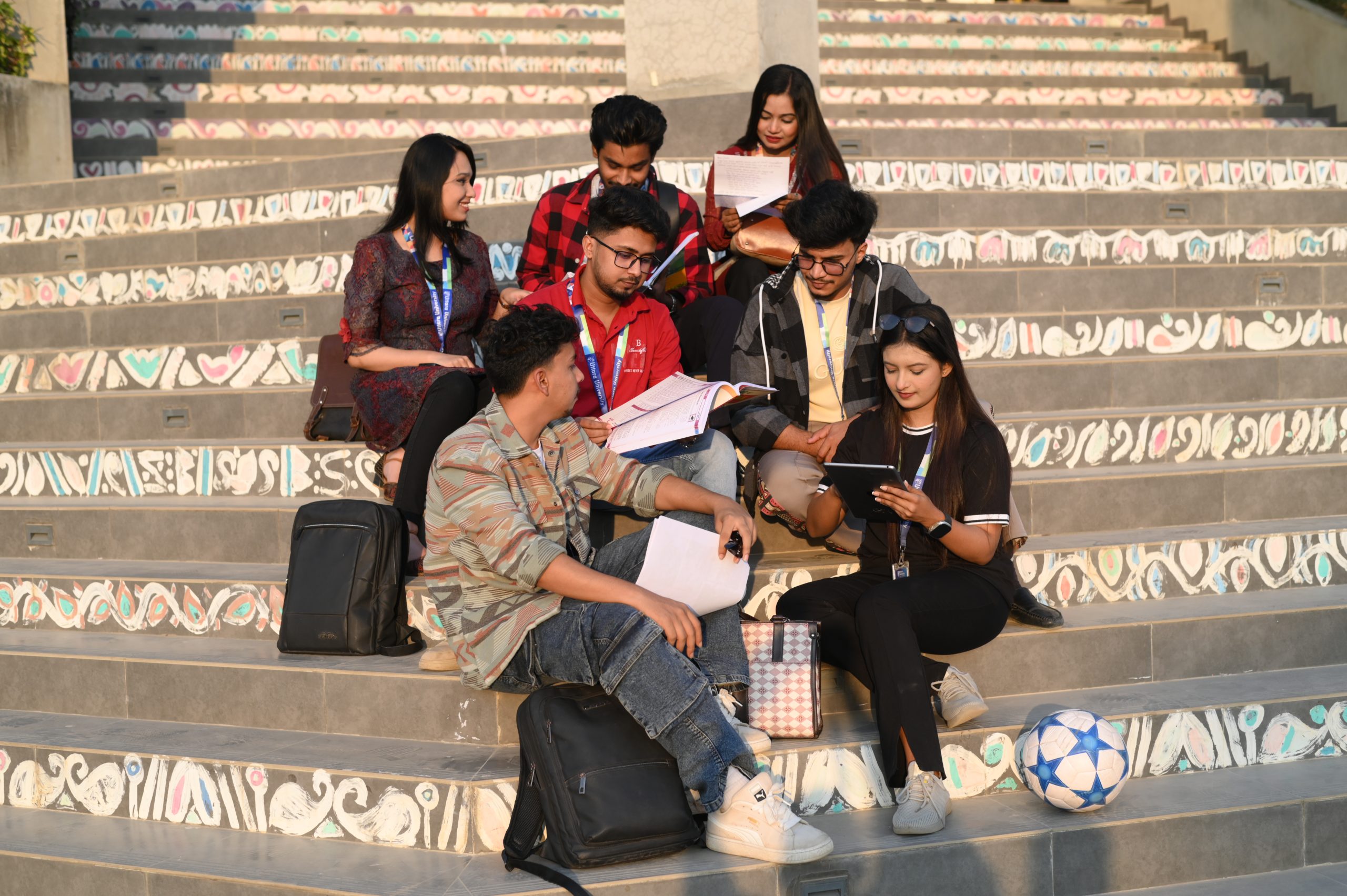
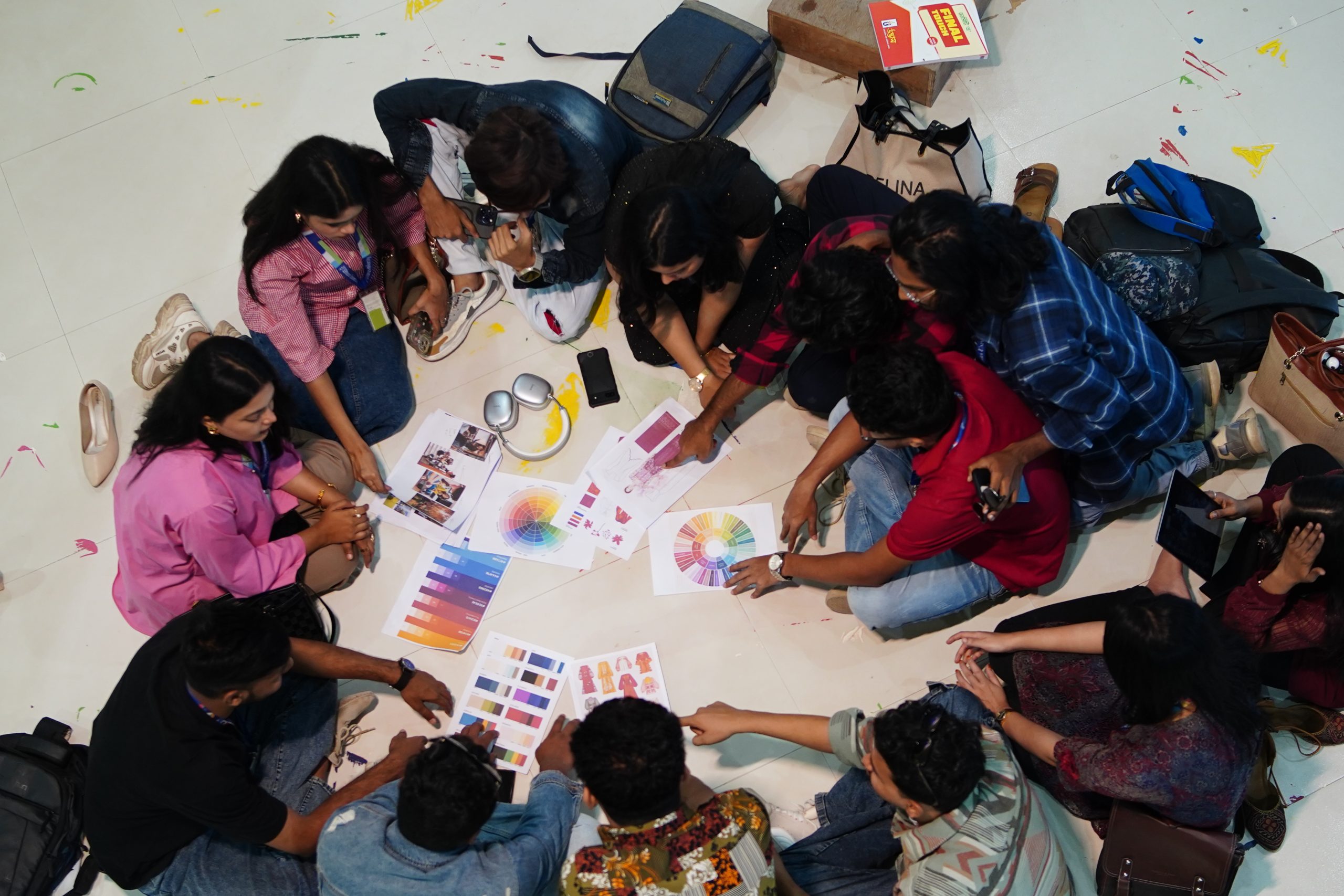
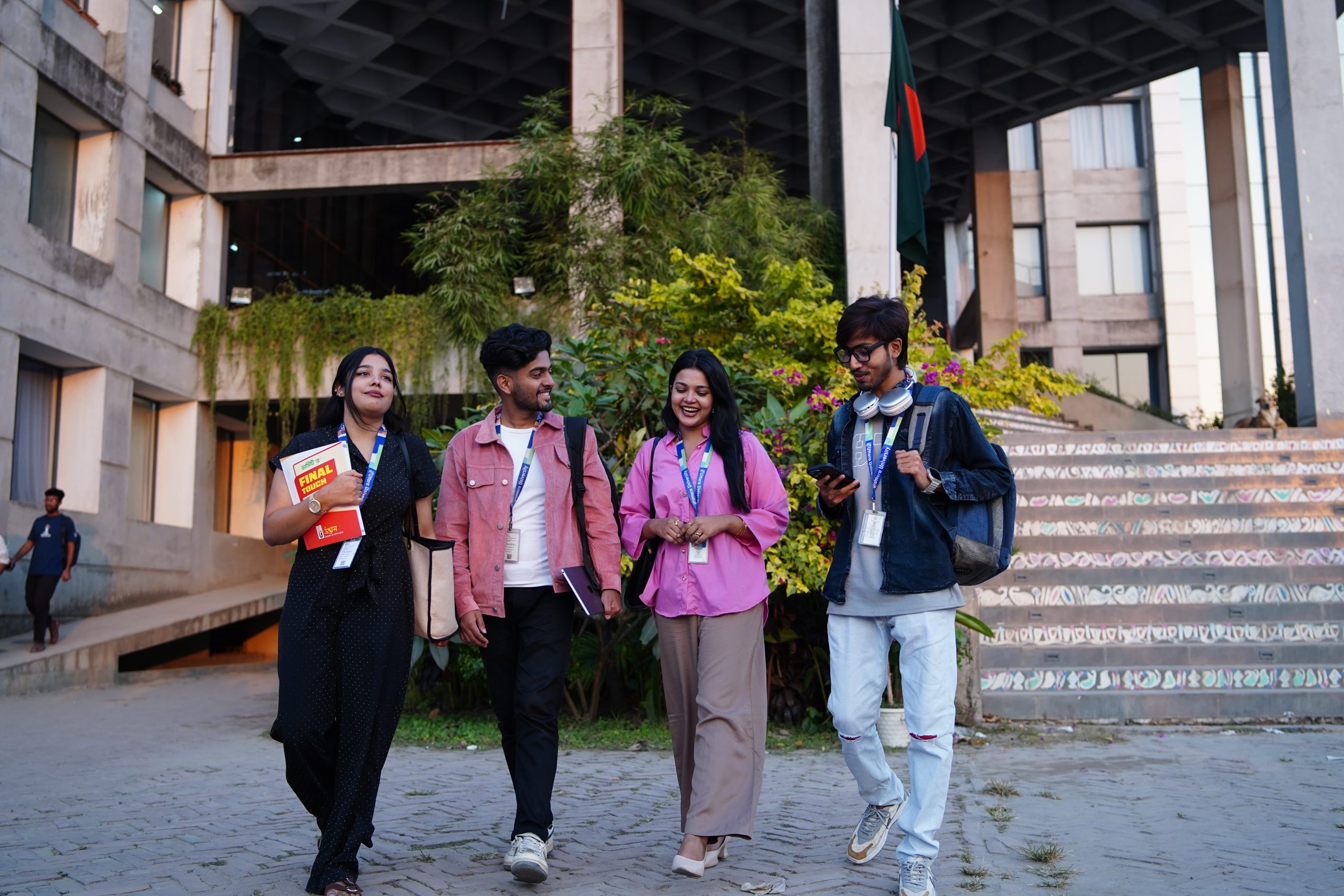
During the 2025 academic year, 238 courses included sustainability-related content, reflecting the university's interdisciplinary approach to sustainability education. By connecting academic learning with critical thinking, problem-solving, research, and community engagement, Uttara University aims to develop environmentally conscious, socially responsible graduates who can contribute meaningfully to sustainable development.
Indoor Gameroom: Promoting Well-Being and Social Connection
Uttara University recognises the importance of recreation and leisure in supporting students' mental well-being, social development, and overall university experience. An indoor gameroom provides students with a welcoming space to unwind, engage in recreational activities, and build meaningful connections beyond the classroom. Through activities such as board games, indoor sports, and interactive group games, students can develop teamwork, communication, and problem-solving skills while managing academic stress.

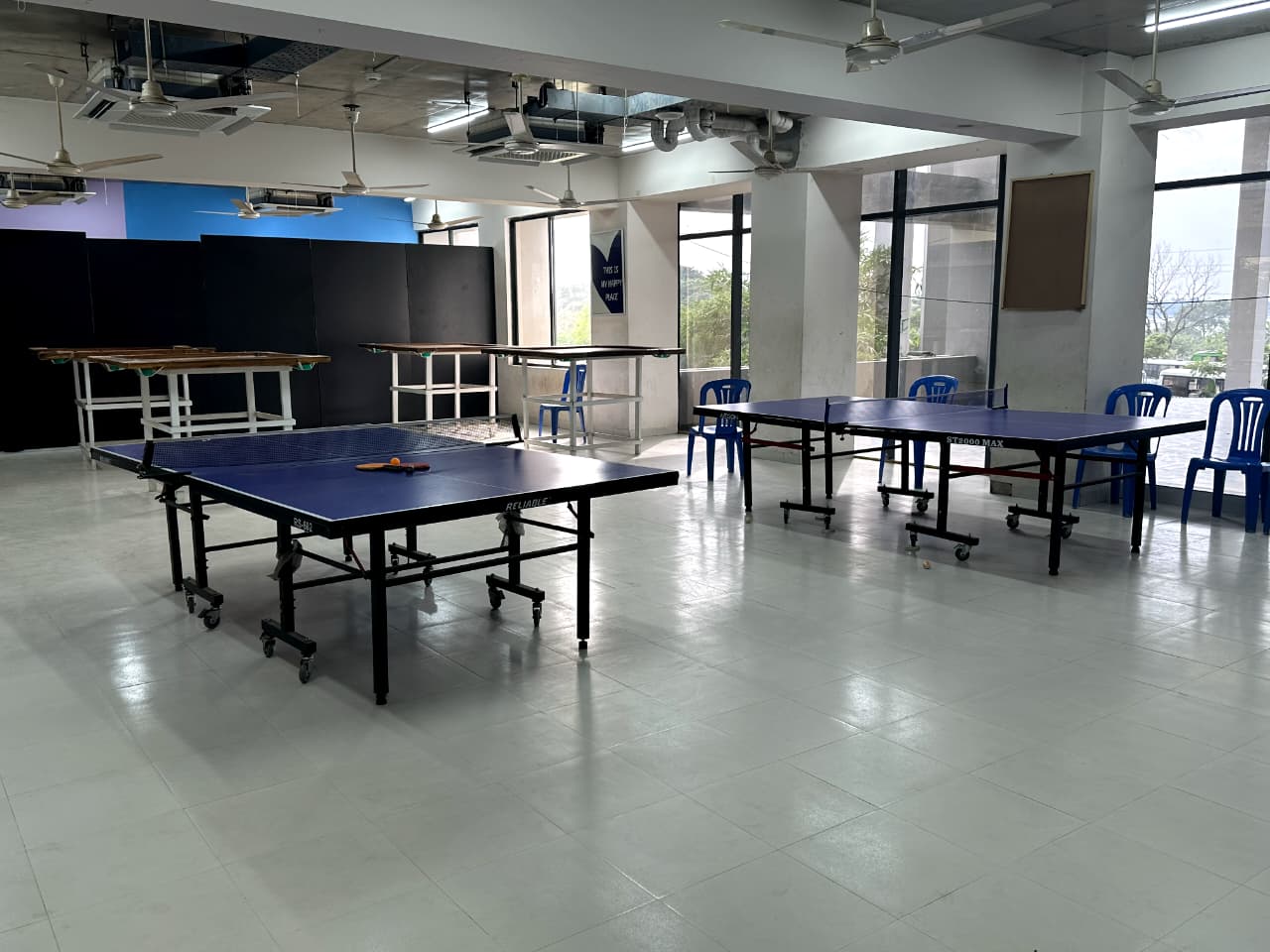

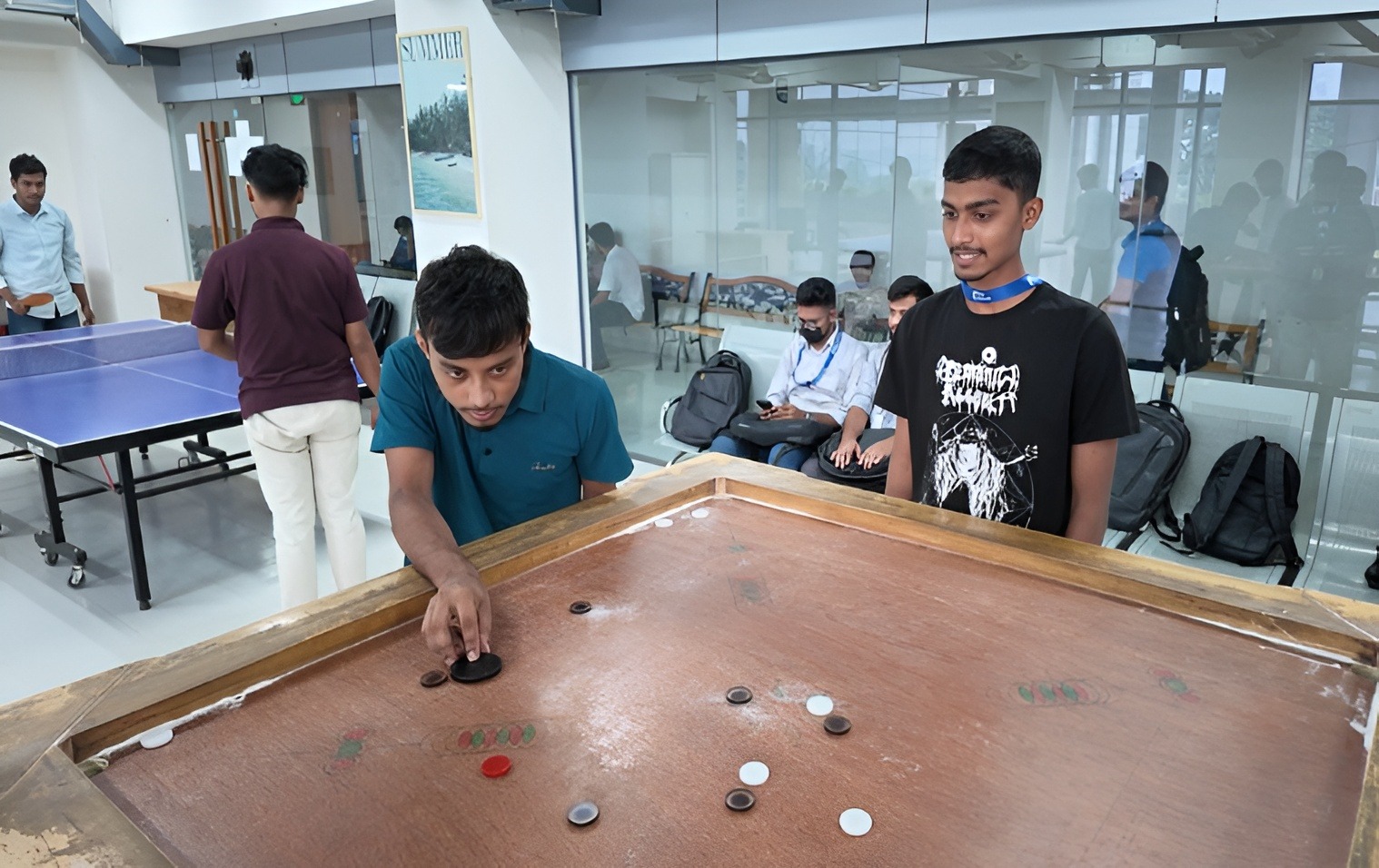
In alignment with SDG 3: Good Health and Well-Being and SDG 4: Quality Education, a recreational space can contribute to a more inclusive and balanced campus environment by encouraging social interaction, relaxation, and personal development. By promoting healthy recreation alongside academic pursuits, Uttara University can foster a vibrant campus culture that values both learning and well-being.
Ensuring Access to Safe Drinking Water
Uttara University promotes access to clean water and improved sanitation by providing water-purifying filters on campus to support the availability of safe drinking water for students, faculty, and staff. These facilities encourage healthy hydration practices and contribute to a cleaner, healthier campus environment. Through such initiatives, the university supports SDG 6: Clean Water and Sanitation, emphasising the importance of safe drinking water, hygiene, and well-being within the university community.
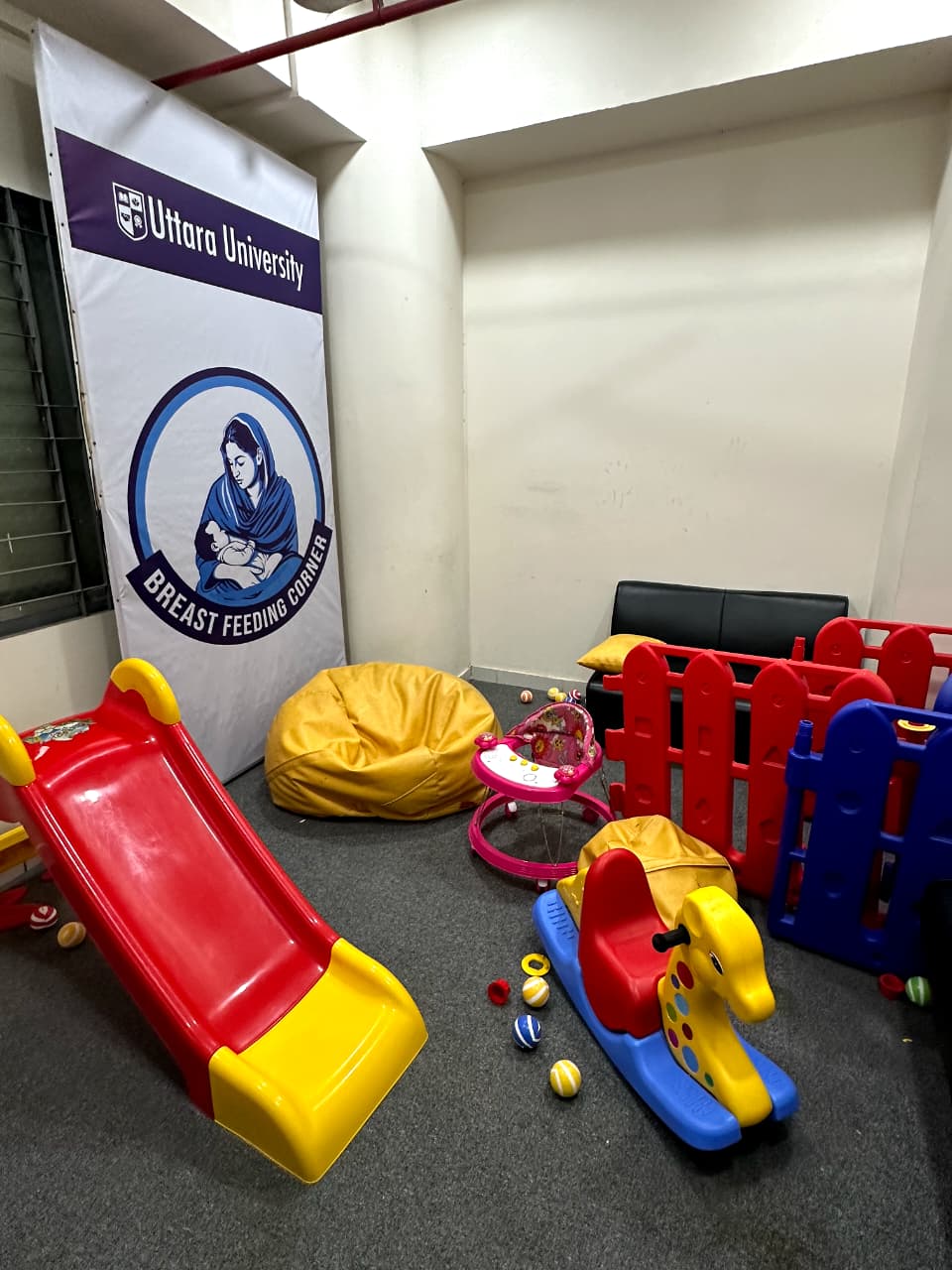
Supporting Working Parents Through Childcare Facilities
Uttara University supports a more inclusive and family-friendly campus environment by providing a dedicated childcare facility in the basement of the university. This facility offers support to parents within the university community, helping them better balance their family responsibilities with their academic and professional commitments. By recognising the importance of accessible childcare, the university promotes a supportive environment for working parents and contributes to SDG 5: Gender Equality and SDG 8: Decent Work and Economic Growth.


Loading...